Nogaatsa Pan Lodge (Chobe)
Nogaatsa Pan Lodge (Chobe)
An isolated bush camp in the interior zone of Chobe National Park, Nogaatsa Pan Lodge provides access to sparsely visited plains where elephants and predators gather around permanent water sources.
Nogaatsa Pan Lodge is an isolated bush camp located in the northeastern section of Chobe National Park in Botswana. Far from the bustle of Kasane's riverfront, it opens onto the vast Nogaatsa plains, an arid and rarely visited sector where wildlife concentrates around permanent water holes. It is a deliberate choice for travelers seeking immersive wilderness without crowds.
What to see
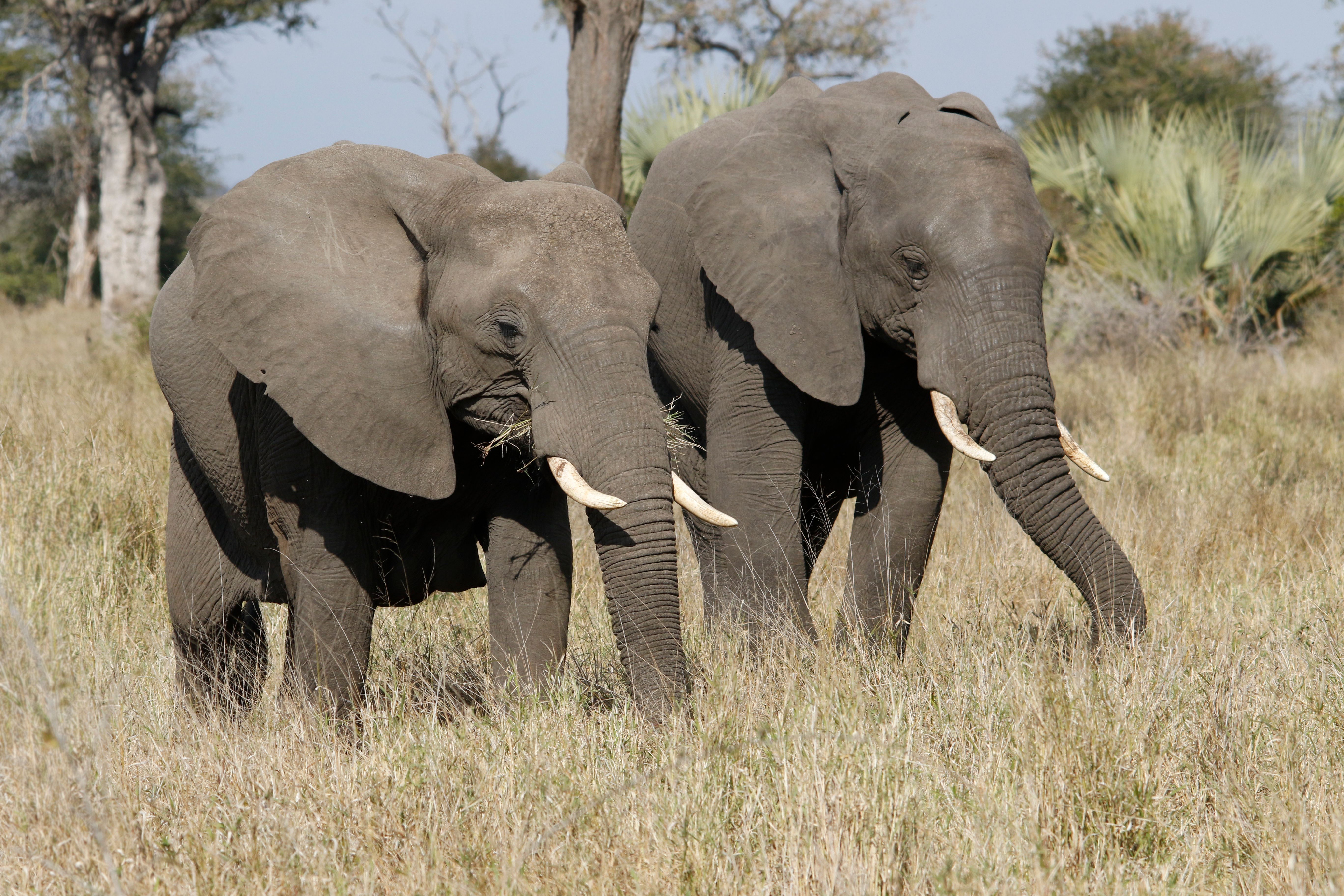
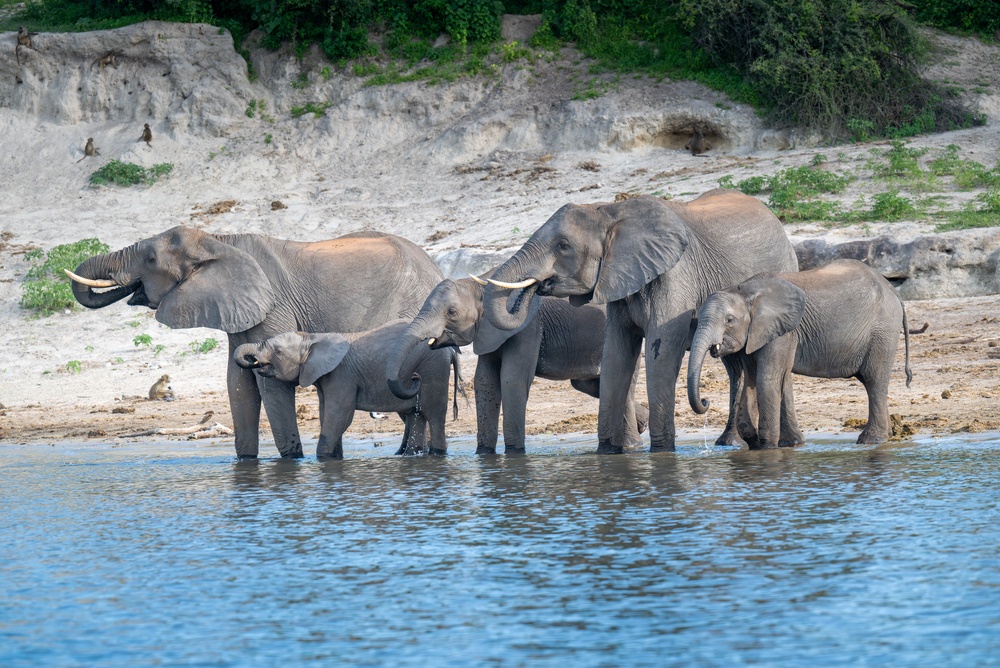
The Nogaatsa zone is renowned for its elephant concentrations, particularly in the dry season when herds converge at the pans. Lions, leopards, hyenas, and African wild dogs frequent the area regularly. Birds are abundant: rollers, bee-eaters, raptors, and species linked to temporary wetlands animate morning outings.
History and context
Chobe National Park, established in 1967, was Botswana's first national park. The Nogaatsa zone, in its interior section, long remained accessible only by autonomous 4×4 vehicle, which preserved its wild character. The establishment of a permanent lodge there has made the sector accessible to a broader audience while maintaining limited visitor numbers.
Highlights of a visit
The Nogaatsa water pans
The zone's permanent pans attract spectacular congregations of elephants in the dry season (May to October). Observing hundreds of individuals drinking at the same water source is a rare experience in the park.
Game drives in rarely visited terrain
Unlike Chobe's riverfront, the Nogaatsa tracks remain lightly traveled. Sunrise outings offer encounters with predators without the presence of other vehicles—something that has become rare in the park's popular zones.
Night observations
Distance from any light pollution makes the night sky exceptional. Night drives, should the lodge offer them, allow observation of crepuscular and nocturnal species absent from daytime itineraries.
Photography tips
The golden light of the first hours after sunrise is ideal for photographing elephants at water sources. Plan for a telephoto lens: safe distances from predators are substantial. In the dry season, sparse vegetation facilitates clear views of wildlife.
Location and access
Nogaatsa Pan Lodge is situated in the interior section of Chobe National Park in northern Botswana. Access from Kasane, the park's main gateway, requires a 4×4 vehicle and follows dirt tracks. The road is passable in the dry season; during the rainy season, some tracks can become challenging. The nearest airport is Kasane, served from Maun and Johannesburg.
Nearby attractions
Chobe National Park — The lodge's setting itself: one of Africa's most elephant-rich parks.
Kasane — Gateway town to the park, logistical starting point and crossroads of four countries (Botswana, Zimbabwe, Zambia, Namibia).
Victoria Falls — Approximately two hours' drive away, accessible from Kasane via Zimbabwe or Zambia.
Chobe Riverfront — The park's most visited sector, renowned for wildlife cruises on the Chobe River.
Frequently asked questions
The dry season, from May to October, is optimal. Vegetation is sparse, animals concentrate around water sources, and tracks are passable. The rainy season (November to April) makes some tracks difficult to access.
Yes. The tracks leading to Nogaatsa are dirt roads requiring a four-wheel-drive vehicle. The lodge typically arranges transfers from Kasane; inquire directly with the property.
The remote and wild setting is better suited to travelers comfortable in a bush environment. Minimum age policies vary by lodge; verify conditions with the property before booking.
Yes, it's a classic combination. Kasane is approximately two hours from Victoria Falls (on the Zimbabwean or Zambian side). A stay of two to three nights at Nogaatsa followed by a visit to the Falls makes a coherent itinerary.
Yes, markedly so. Chobe's riverfront near Kasane attracts the majority of the park's visitors. Nogaatsa, more remote and accessible only by 4×4, receives far fewer vehicles, making it a privileged sector for an authentic wild experience.
Want to discover this destination?
Our local advisors design your tailor-made trip.