Central Kalahari Game Reserve
Central Kalahari Game Reserve
The Central Kalahari Game Reserve spans 52,000 km² in the heart of Botswana. Sand lions, oryx, wild dogs, and fossil pans in rare isolation, accessible only by 4×4.
The Central Kalahari Game Reserve (CKGR) stretches across approximately 52,000 km² in the heart of Botswana, making it one of Africa's largest protected reserves. Established in 1961, it covers a vast semi-arid depression of shrubby savanna, fossil grasslands, and stabilized dunes. It is home to populations of lions, cheetahs, wild dogs, oryx, and blue wildebeest, in rare isolation that preserves wildlife largely unaccustomed to human presence.
Quick reference guide
- Entry: paid — park permit required, reserved via Botswana's DWNP (Department of Wildlife and National Parks) system.
- Access: 4×4 tracks only; the two main gates are Matswere (northeast) and Xade (west). No paved roads inside.
- Vehicle: high-clearance 4×4 essential, with extra water and fuel cans.
- Recommended duration: minimum 3 to 5 days to explore central zones (Deception Valley, Sunday Pan).
- Season: open year-round; dry season (May–October) recommended for wildlife concentrated around water sources.
- Camping: unserviced bush camping only; no lodges within the public reserve.
What you'll see
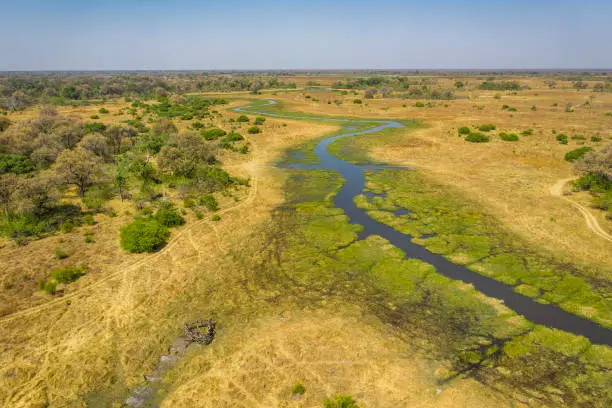
The dominant landscape is golden grassland savanna dotted with acacias and terminalia. The pans — vast white clay flats — draw wildlife during the dry season. Deception Valley, a long fossil depression, is renowned for its dark-maned sand lions, adapted to this arid environment. Gemsbok oryx, springbok, and giraffes are common. Wild dogs (painted wolves) maintain active packs here.
History and context
The reserve was originally created to protect the traditional territory of the San Bushmen of the central Kalahari. These hunter-gatherer communities have occupied these lands for millennia. Since the 1990s, their presence within the reserve has been the subject of major legal controversies. In 2006, Botswana's High Court recognized their right to reside there, a historic decision for indigenous peoples' rights in Southern Africa.
Highlights of your visit
Deception Valley
This fossil valley stretches for tens of kilometers and is the reserve's wildlife heartland. Sand lions, lighter in color and with darker manes than their East African cousins, are regularly observed here. The absence of tourists creates a safari experience of rare intensity.
Sunday Pan and Passarge Valley
These open pans concentrate wildlife during the dry season around artificial water sources. Gatherings of wildebeest, oryx, and springbok can reach several hundred individuals, attracting predators and raptors in numbers.
Night sky
Total freedom from light pollution makes the CKGR one of the continent's finest stargazing sites. The Milky Way is visible to the naked eye with exceptional clarity.
Photography tips
Low-angle morning and evening light (golden hour) on white pans creates striking contrasts. Sand lions are often photographed in daylight, unlike savanna lions which are more nocturnal. Bring a telephoto lens (400 mm minimum): animals remain at distance in this environment, unaccustomed to vehicles. Night photography over the pans with a starry sky backdrop is technically achievable with a tripod and wide aperture.
Location and access
The reserve occupies Botswana's geographical center. The Matswere gate is accessed from Rakops (northeast), reachable from Maun or Francistown. The Xade gate is reached from Ghanzi to the west. Maun, Botswana's main tourism hub, is the most common logistical departure point for the reserve's northern sector. No public transport serves the reserve; a private safari or rental vehicle arrangement is essential.
Nearby attractions
- Okavango Delta — northwest, unique aquatic ecosystem, accessible from Maun.
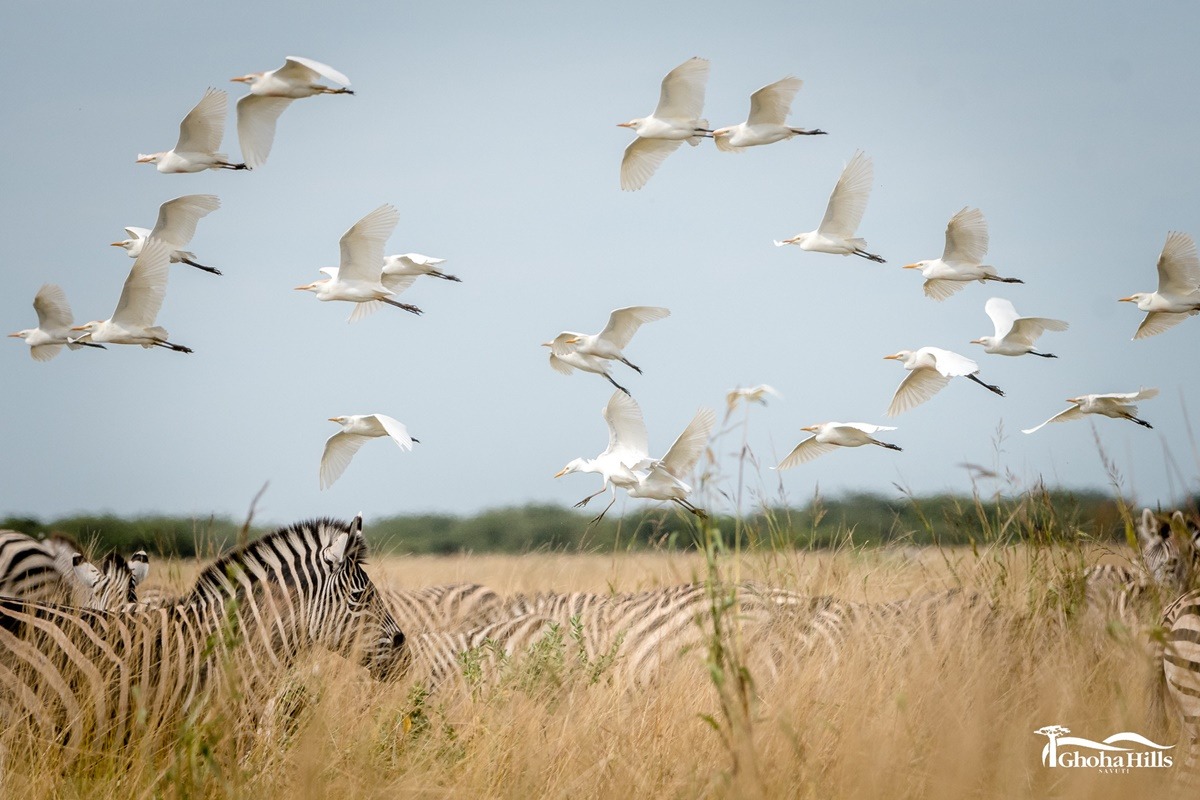
- Makgadikgadi Pans — northeast, vast salt flats and zebra migrations.
- Maun — gateway town, logistical base with internal flights and safari operators.
- Ghanzi — town to the west, entrance point via Xade gate, San communities present in the region.
Frequently asked questions
The dry season, May to October, is most favorable. Low vegetation facilitates wildlife viewing, and animals concentrate around scarce water points. The rainy season (November–April) can make some tracks impassable but greens the landscape and attracts migrant birds.
Yes, without exception. Sandy tracks and pan crossings require a high-clearance 4×4, ideally equipped with two spare wheels, sand recovery boards, and water and fuel reserves for several days.
The public portion of the reserve has only unserviced bush camping. Private lodges exist in adjacent concessions, but they are distinct from the public reserve managed by the DWNP.
Yes, it's a classic itinerary. Maun serves as a shared base for both destinations. An internal flight or 4×4 route links the two areas, though distances are considerable.
The isolation, lack of infrastructure, and long sandy tracks make it demanding. It suits experienced safari travelers better. Older children (from 10–12 years) may enjoy the experience under good logistical conditions.
Wildlife and landscape photography is free within the public reserve. However, photographing members of San communities requires their explicit consent, out of respect for their privacy.
Want to discover this destination?
Our local advisors design your tailor-made trip.