Chobe Forest Reserve
Chobe Forest Reserve
A forested buffer zone in northern Botswana, Chobe Forest Reserve offers untamed bush tracks, elephant crossings, and authentic immersion near Kasane.
Chobe Forest Reserve stretches across northern Botswana, immediately adjacent to Kasane and Chobe National Park. Acting as a buffer between agricultural lands and the park, it encompasses a woodland of miombos and mopanes traversed by seldom-traveled trails. It attracts travelers seeking immersion in raw African bush far from conventional tourism routes.
What you'll see
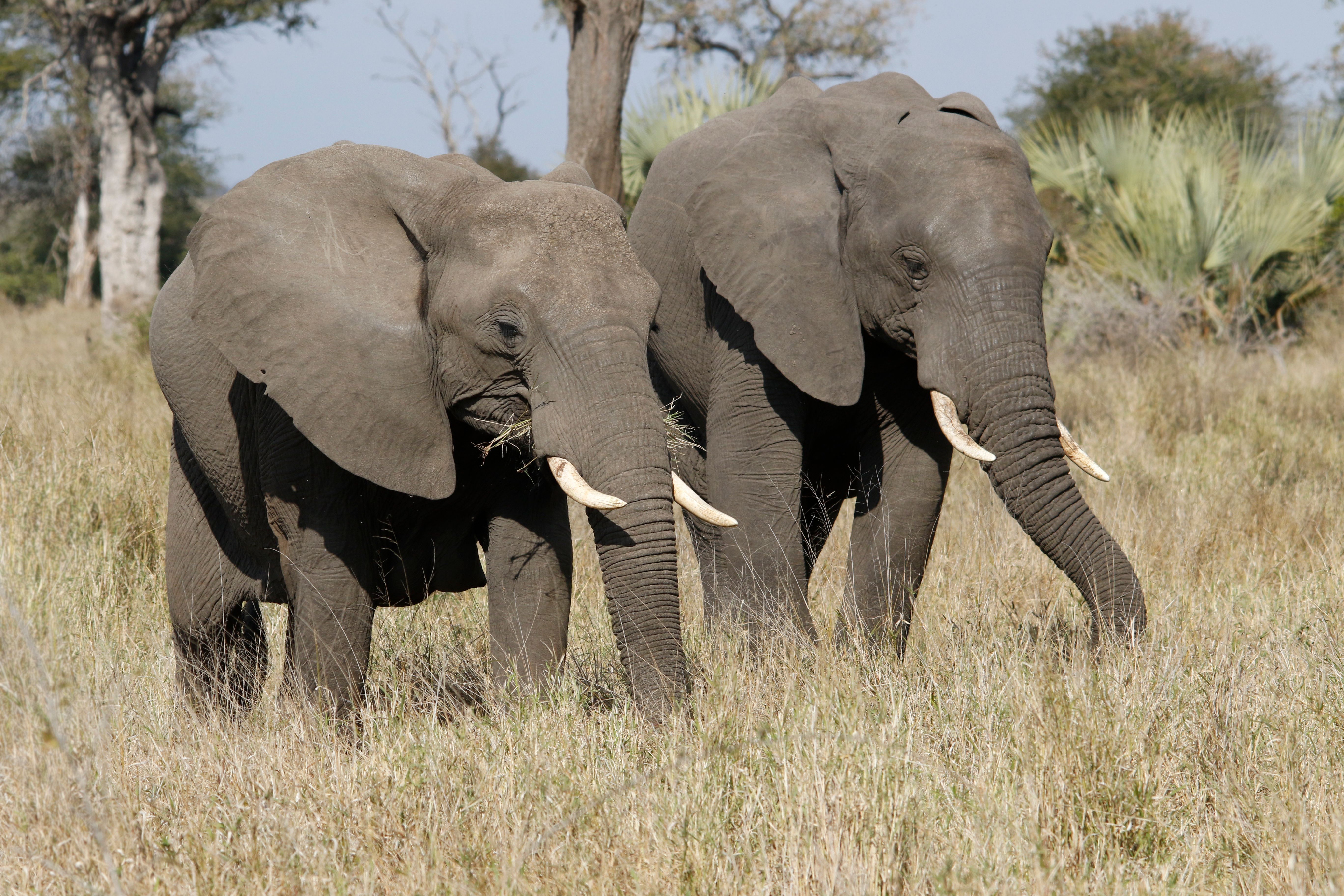
The reserve is home to dense vegetation dominated by mopanes (Colophospermum mopane), trees characteristic of northern Botswana. Elephants regularly transit through the reserve between the national park and the Chobe wetlands. You'll also spot buffalo, impalas, and diverse birdlife, including lilac-breasted rollers and hornbills.
History and context
Chobe Forest Reserve was established to protect forest cover surrounding Chobe National Park, designated in 1967. It functions as an ecological corridor between the park and neighboring community lands, allowing large mammals to move freely according to seasonal patterns and water availability.
Highlights of a visit
Bush tracks
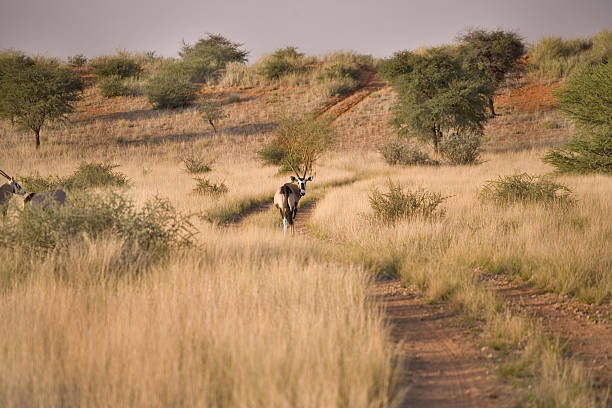
Earthen trails crisscross the reserve, navigable by 4x4. They offer a self-guided driving experience, without the vehicle traffic found in the national park. Wildlife is less concentrated, yet encounters remain authentic.
Elephant watching
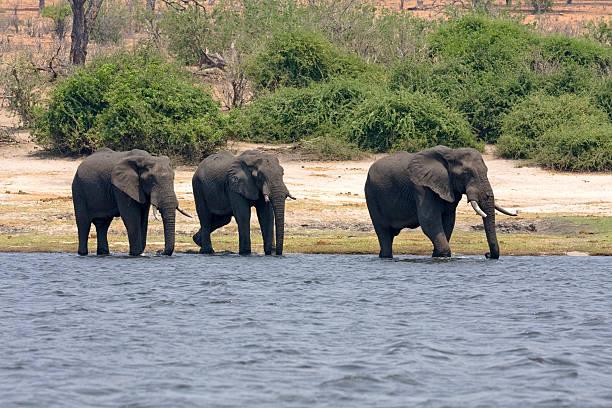
Northern Botswana is home to one of Africa's largest elephant populations. The forest reserve constitutes a well-traveled passage corridor, particularly during the dry season when animals converge on the Chobe River.
Birdwatching
The mopane woodland and forest edges provide ideal conditions for bird observation. Forest species intermingle with savanna species, enriching checklists for ornithologists.
Photography tips
Golden light during early morning and late afternoon hours filters beautifully through the forest canopy. Shaded trails allow for compositions with vegetation in the foreground. Avoid midday: light is harsh and wildlife rests in the shade.
Location and access
The reserve is accessible from Kasane, the region's main town and northern gateway to Chobe National Park. A 4x4 vehicle is essential for traveling on earthen tracks. Kasane has an airport with flights from Maun and Gaborone. Accessibility for travelers with reduced mobility is severely limited due to unimproved natural terrain.
Nearby attractions
Chobe National Park — one of Africa's most elephant-rich parks, featuring river safaris on the Chobe.
Victoria Falls — approximately 70 km to the east, on the Zimbabwean and Zambian side, one of the world's largest waterfalls.
Kasane — staging town with accommodations, restaurants, and services to arrange regional safaris.
Frequently asked questions
A permit issued by Botswana's Department of Wildlife and National Parks (DWNP) is generally required to access forest reserves. Check with local authorities in Kasane before your visit.
The dry season (May to October) is most favorable: vegetation is less dense, tracks are passable, and wildlife concentrates around water sources. The rainy season (November to April) can render some trails impassable.
Yes, the forest reserve is contiguous with the national park. Most travelers combine both, dedicating river safaris and main drives to the park, and wilder trails to the reserve.
Yes. The reserve's earthen tracks are not suitable for standard vehicles, especially after rain. A 4x4 with high ground clearance is necessary for safe travel.
Lodging is primarily concentrated in Kasane, outside the reserve. Campsites may exist in the area, but verify availability and status with the DWNP before planning.
Want to discover this destination?
Our local advisors design your tailor-made trip.