The Migration of Zebras
Each year, in Botswana and other Southern African countries, a wild and impressive phenomenon takes place—one that remains largely unknown: the zebra migration.
Each year, in Botswana and other Southern African countries, a wild and impressive phenomenon takes place—one that remains largely unknown: the zebra migration.
It is an incredible spectacle not to be missed during a stay in Botswana, though it occurs only once a year over a specific period.
The zebra migration is something to witness at least once in your lifetime! While it may not be Africa's largest migration, it is surprising and magical enough to remain etched in your memory forever. We tell you more about this natural phenomenon.
How does the zebra migration happen in Botswana?
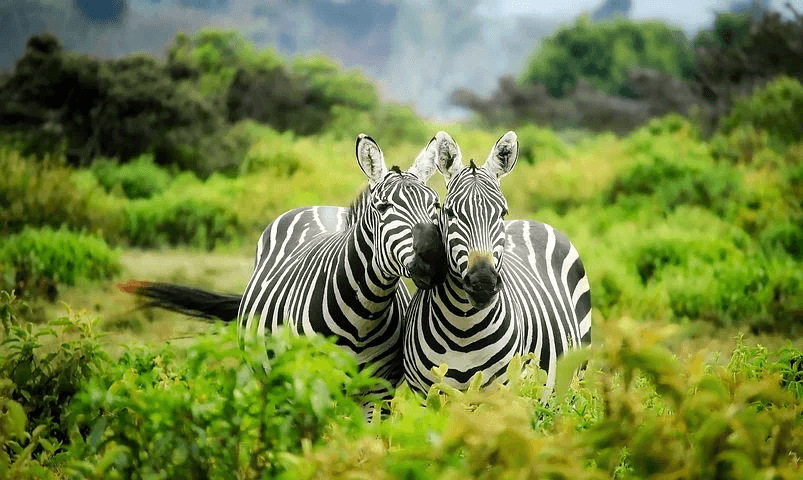
The zebra migration occurs at the end of the dry season, moving from North to South before they return in the opposite direction. During this great migration, it is possible to observe thousands of zebras, raising clouds of dust in their wake.
In search of fresh pastures, they spend the long dry season in wetland areas in northern Botswana, taking advantage of the abundant water in rivers. You can find them in various national parks, such as Chobe Park and Makgadikgadi Pans Park with its salt marshes, where they spend the rest of the rainy season.
How to follow the zebra migration?
From May to November, zebras are in northern Botswana. From late November through January, they are in full migration toward the South where they spend the remainder of the rainy season. At the end of March, they head back North as the dry season begins again.
Frequently asked questions
The best time to observe the zebra migration in Botswana is between late November and January, when zebras make their journey from North to South. This is when the herds are in full motion and the spectacle is most impressive.
The best places to observe the zebra migration in Botswana are Chobe National Park and Makgadikgadi Pans Park, renowned for its salt marshes. These two parks host zebras at different stages of their annual migration.
The zebra migration in Botswana is less famous than the great wildebeest migration in Tanzania's Serengeti, but it remains a remarkable natural spectacle nonetheless. Thousands of zebras traverse the country from North to South, raising impressive clouds of dust in their passage.
The zebra migration in Botswana occurs in two phases: a North-to-South migration from late November to January, then a return journey from South to North starting at the end of March. Zebras spend the rest of the year (May to November) in the northern part of the country.
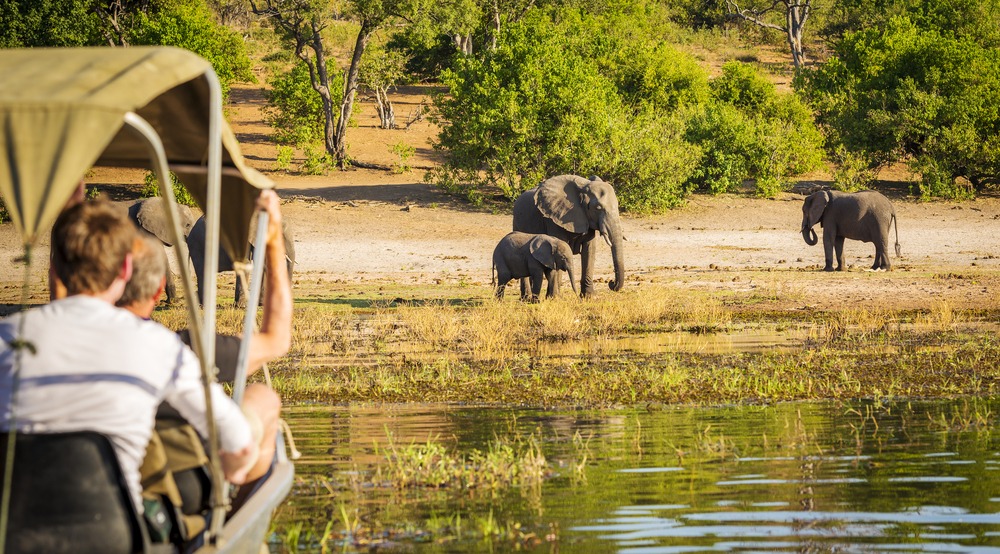
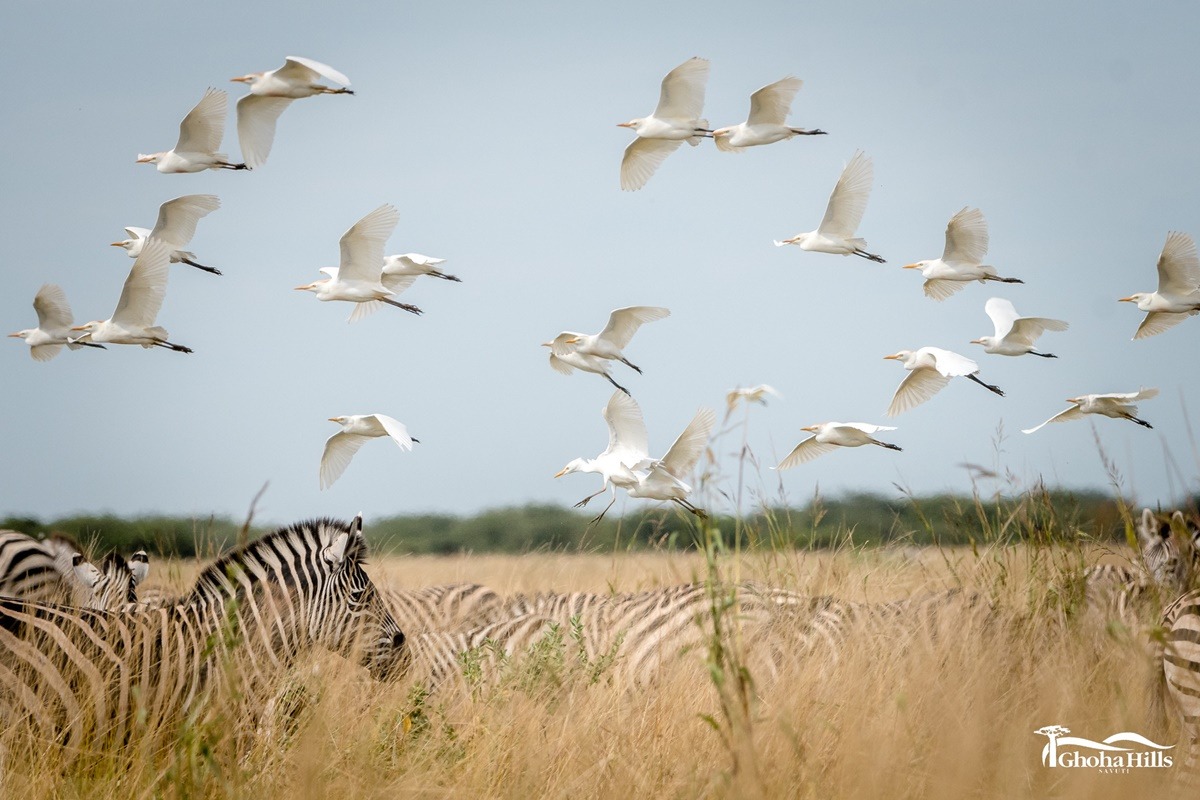
Yes, the zebra migration is often accompanied by the presence of other wildlife species in national parks such as Chobe and Makgadikgadi Pans. Elephants, lions, hyenas, and migratory birds often share these spaces, providing an exceptional safari experience.