Why Choose Botswana for an African Safari?
Southern Africa is brimming with exceptional landscapes and wildlife. Safari offerings are numerous, and it can be challenging to settle on a single destination…
Southern Africa is brimming with exceptional landscapes and wildlife. Safari offerings are numerous, and it can be challenging to settle on a destination… Climate, mokoro rides on the Okavango Delta shores, endemic fauna, ethical or luxurious safaris: discover why Botswana is the destination to choose for an African adventure!
Reason #1: Pleasant weather year-round
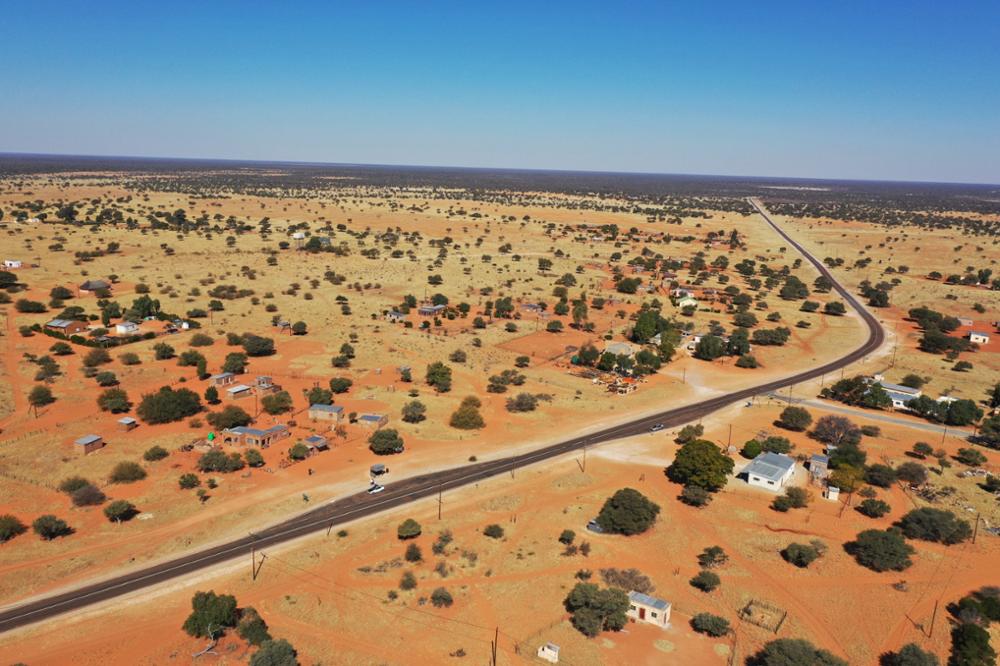
Botswana enjoys mild temperatures throughout the year! One piece of advice, however: before booking your trip, ensure that the activities you have in mind align with one of the two seasons.
Dry season: winter
Occurring between May and October, the dry season features very pleasant temperatures, averaging:
- 21-25°C during the day in June-July (with fairly cool nights);
- 30-35°C during the day between August and October (with strong winds).
This period is considered the best time to observe wildlife around the Okavango Delta. Indeed, because of the dry, barren landscapes, animals have little vegetation to hide behind! Its only drawback? Days are very short, as the sun sets at 5 p.m.
Rainy season: summer
Occurring between November and April, the rainy season features warm temperatures:
- 31-35°C on average during the day;
- 36°C on average in October (reaching up to 40°C during this hottest month of the year).
A Ramsar Site, the Okavango Delta is renowned for its wetlands and swamps highly appreciated by birdwatchers. The rainy season is therefore recommended for ornithology enthusiasts – and photographers!
Reason #2: Mokoro Safari – Or Why Choose Botswana Over Other Destinations!
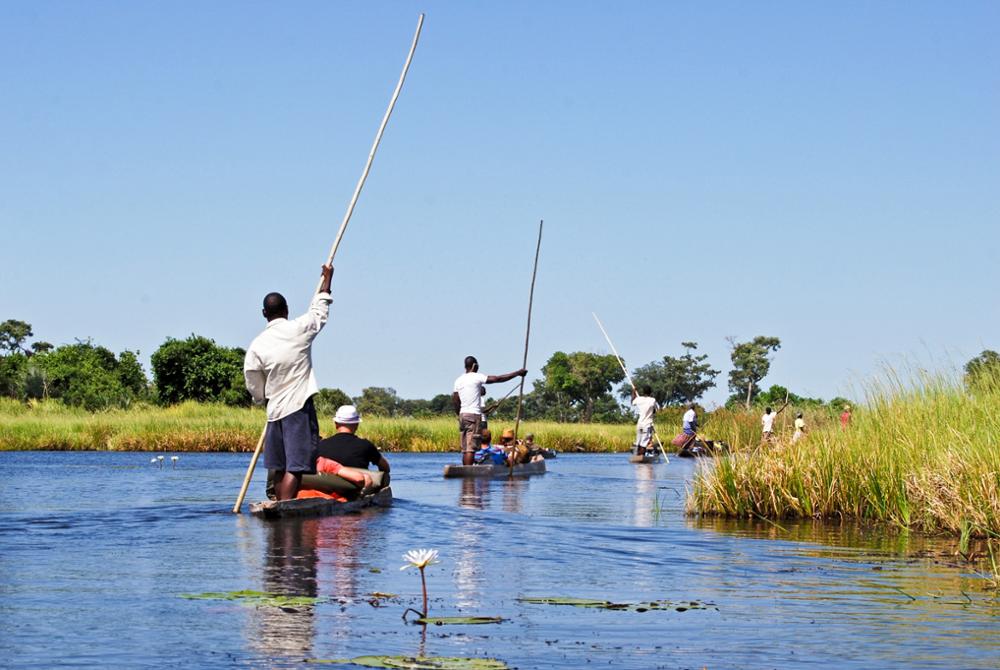
Stretching 1,800 km long, the Okavango is the third-longest river in Southern Africa and is classified as a UNESCO World Heritage site. The organization highlights the importance of its water sources for "some of the world's most endangered large mammals, such as the cheetah, white rhinoceros and black rhinoceros, African wild dog, and lion."
Want to experience this wildlife up close? Board a mokoro! In addition to enjoying an atypical safari aboard a traditional local canoe, you'll be able to watch animals drink and splash about from the delta's banks.
Reason #3: Exceptional Wildlife to Admire on a Botswana Safari
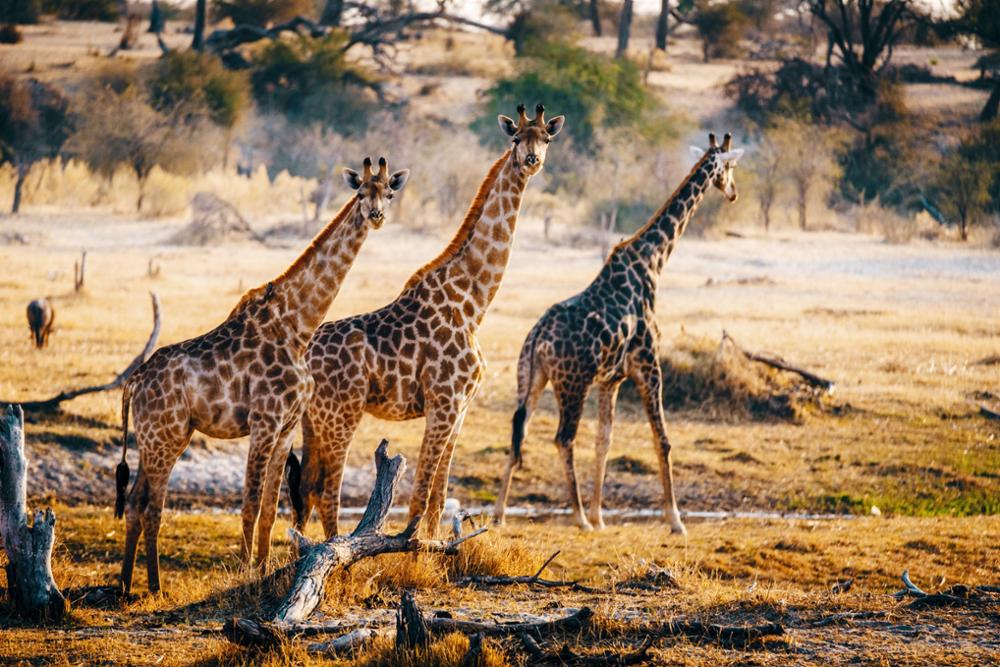
Endemic species
Spanning 581,726 km², Botswana is home to numerous parks and nature reserves where many animals live (and migrate through). Among this exceptional fauna, you'll have the chance to spot rare endemic species such as the Southern Ground Hornbill, the Chestnut-colored Heron, or the Red Lechwe – an antelope on the verge of extinction.
The Chobe elephants
Botswana is renowned for its countless pachyderms in the Chobe National Park. Considered one of the world's most important elephant sanctuaries, the park is home to over 100,000 specimens – the largest elephant population in the world!
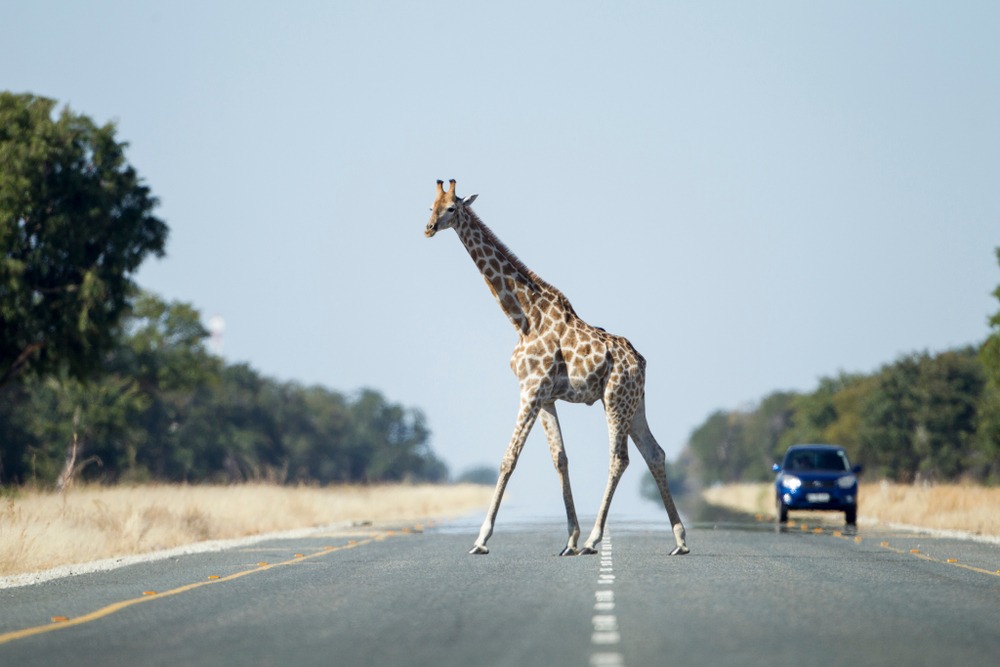
Remarkable for their numbers, the Chobe elephants are equally impressive for their size, counting among Africa's largest. Alongside them? You'll also spot Angolan giraffes…
The zebra migration
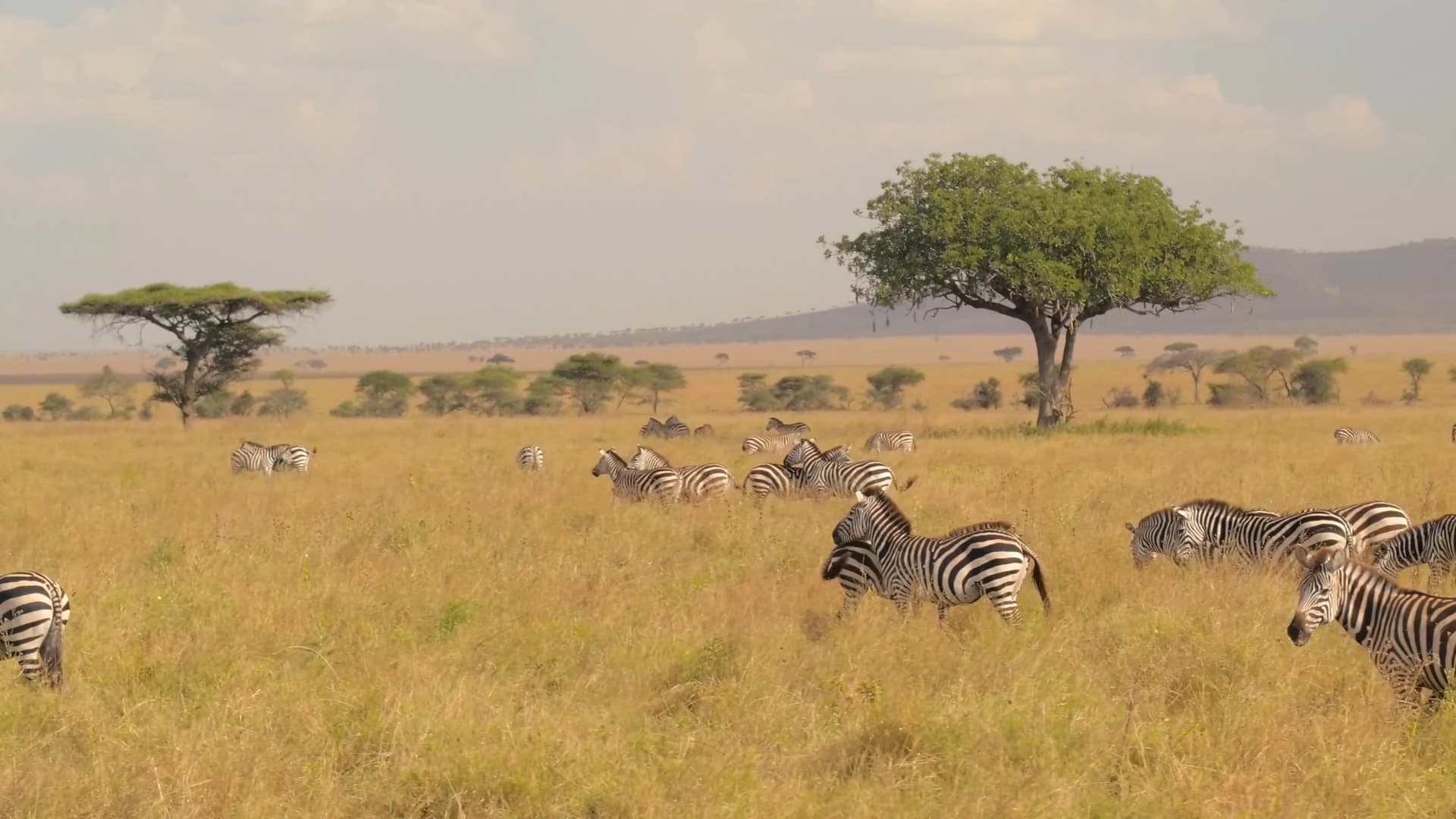
To witness the zebra migration, head to Makgadikgadi Pans National Park (between December and March) and Nxai Pan National Park (between November and December).
Present year-round in Botswana, zebras multiply during these migration periods and kick up impressive clouds of dust!
500 bird species
Blessed with lush areas, Botswana hosts hundreds of bird species. Indeed, the country is an incredible ornithological hotspot where you can admire pelicans, storks, herons, flamingos, and the Common Redshank!
Other animals you can observe in Botswana - the Big 5 (lion, leopard, elephant, buffalo, and rhinoceros); - wildebeest; - kudus; - impalas; - hippopotamuses; - buffalo; - and more. |
Reason #4: Luxury Tourism That's Also Ethical
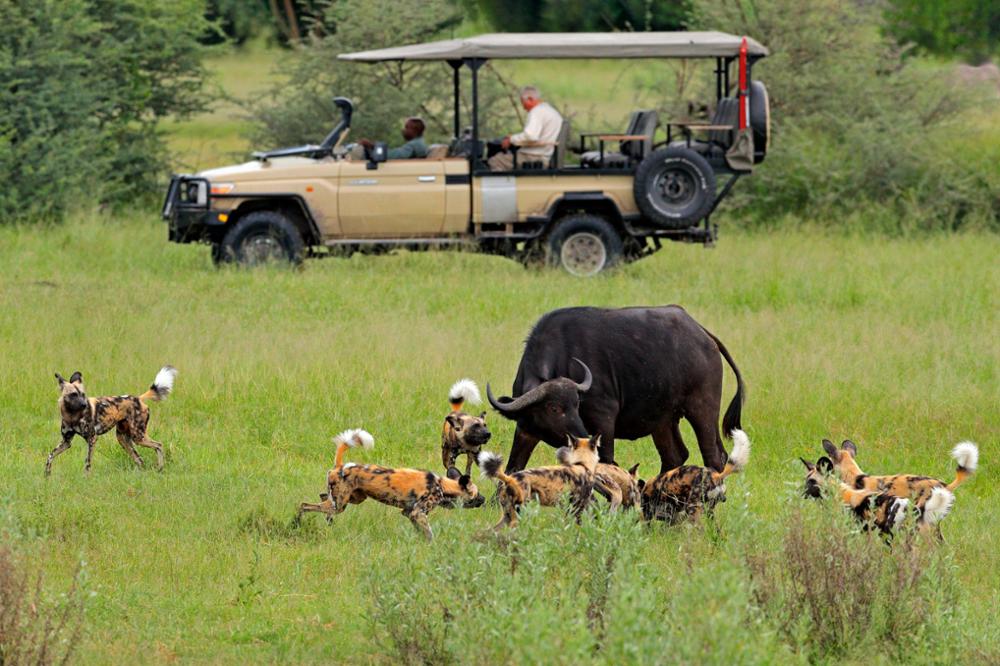
A range of safaris, from classic to ultra-luxurious
Botswana boasts varied landscapes and equally eclectic tourism offerings! During your journey, you can choose between:
- a "classic" 4x4 safari (individual or group);
- a custom 4x4 safari;
- a "mobile safari" (a multi-day safari with full board);
- a "houseboat" (a spacious and comfortable barge that navigates the Okavango Delta and is operated by a licensed skipper);
- a "fly-in safari" (a private internal flight that allows you to quickly visit different regions).
The possibility of ethical safari travel
If you prioritize responsible tourism, rest assured that a Botswana trip is made for you! The reason? Many accommodations now focus on eco-friendly stays. Concerned with preserving the country's exceptional fauna and flora, dozens of lodges and camps are equipped with solar technologies, for example.
Frequently asked questions
The dry season (May to October) is ideal for observing wildlife, particularly around the Okavango Delta. The rainy season (November to April) is recommended for birdwatching enthusiasts, as the wetlands attract hundreds of bird species.
A mokoro safari is an excursion in a traditional canoe through the channels of the Okavango Delta. This quiet and respectful approach allows you to observe wildlife from the banks, up close to animals coming to drink.
Chobe National Park is home to over 100,000 elephants, making it the world's largest elephant sanctuary. These pachyderms rank among Africa's largest and are one of the major attractions of a Botswana trip.
Yes, Botswana is recognized for its responsible tourism. Many lodges and camps are equipped with solar technologies and are committed to preserving local fauna and flora. The country focuses on low-volume, high-value tourism to limit environmental impact.
The zebra migration occurs in two national parks: Makgadikgadi Pans National Park between December and March, and Nxai Pan National Park between November and December. These gatherings kick up impressive clouds of dust and create an unforgettable natural spectacle.