Where to Go on Safari in Botswana
Going on safari in Botswana promises unforgettable adventures in the heart of the wild! By 4x4, plane, or mokoro, set out to encounter the wildlife of southern Africa.
Going on safari in Botswana promises unforgettable adventures in the heart of the wild! By 4x4, plane, or mokoro, set out to encounter the wildlife of southern Africa, through national parks and the most stunning nature reserves. Keen to see the majestic Big Five, endemic antelopes, or pink flamingos? Let's go!
1. Chobe National Park
Located in the north of the country, Chobe National Park is renowned for its impressive biodiversity and four distinct zones:
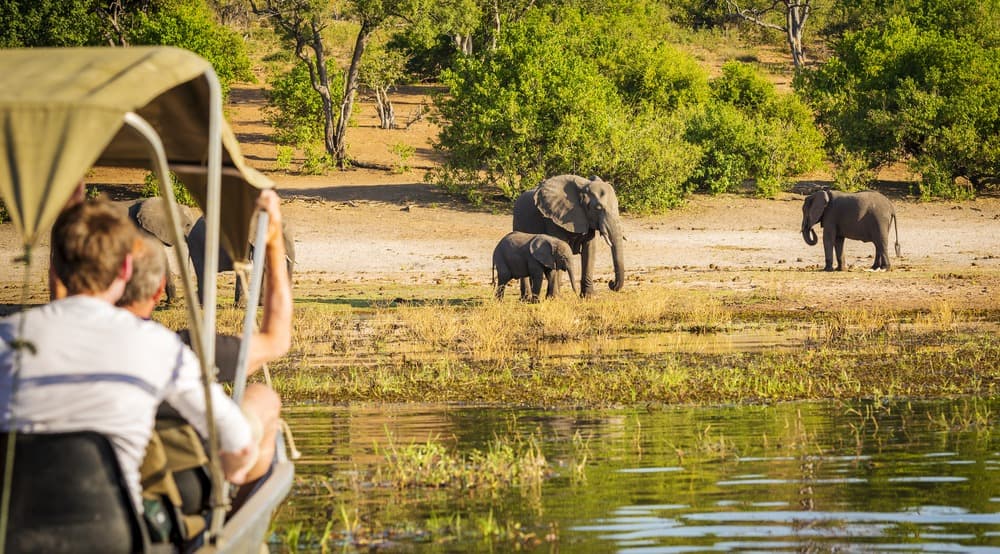
The Serondela zone: located at the far northeast of the park, it is home to lush forest (hugely popular with elephants) and the Chobe River, where buffalo, giraffes, and many other animals come to drink during the dry season, from May to October.
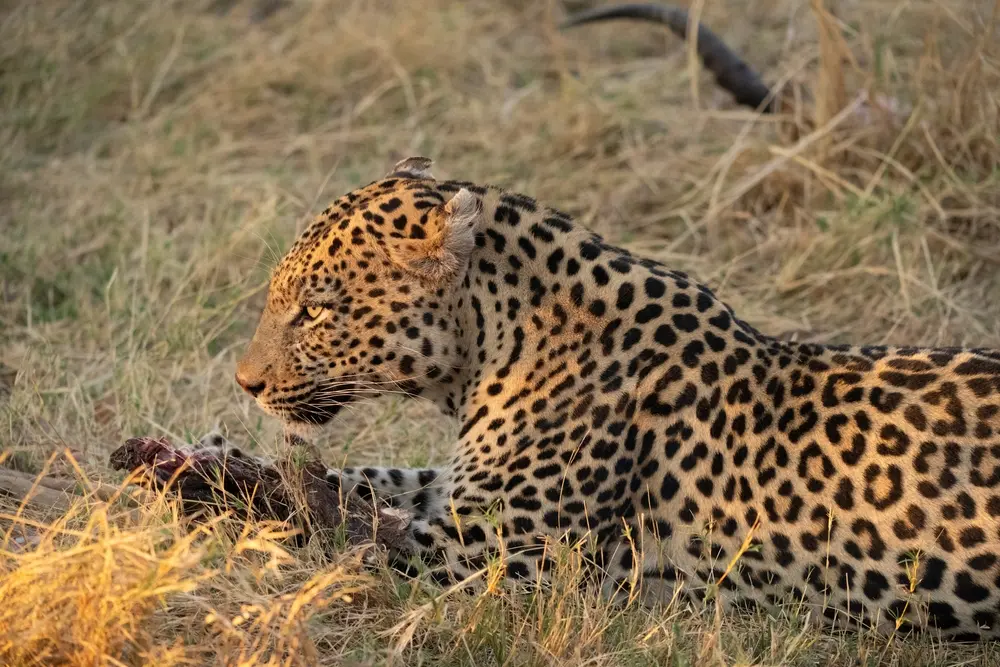
The Linyanti marshes: in the northwest of the park, this zone is known for its significant concentrations of leopards, lions, antelopes, and wild dogs. You'll also be able to admire hippopotamuses and several antelope species!
The dry zone between the Savuti and Linyanti marshes: less famous than the other zones, this area is home to numerous elks.
The Savuti marshes: this western part is the result of an ancient lake and harbors the Savuti reserve (celebrated for its great migration)…
Practical information
How to get there: located near the town of Kasane—you can access the park directly from the international airport (many agencies rent 4x4s there).
Area: 11,700 km²
Transportation for safari: by 4x4 or by boat on the Chobe River.
Entrance fee: €120 per day per person.
2. Savuti Reserve
Savuti Reserve is located within Chobe National Park. It is renowned for being one of the most important passages for the great migration! Indeed, twice a year, it is crossed by zebras and wildebeest headed toward the Makgadikgadi Pan (a salt desert) located further south.
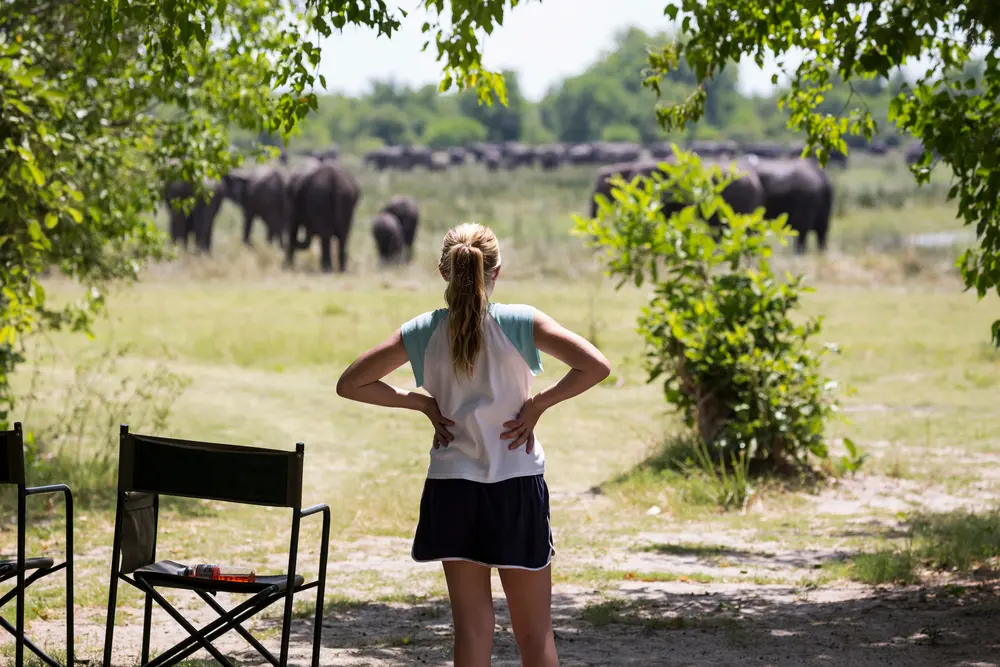
Want to see the animals? Opt for the rainy season, between December and April. You'll spot the Big Five (lion, elephant, rhinoceros, buffalo, leopard), alligators, and numerous migratory birds. Did you know the reserve is a breeding site for pink flamingos!
Practical information
How to get there: This is an extension of Chobe Park. It is accessible from Kasane airport by 4x4 or from the towns of Serondela and Maun.
Area: approximately 5,000 km²
Transportation for safari: by 4x4 or by boat on the Chobe River.
3. The Okavango Delta and the Kalahari Desert
Located within the Kalahari Desert, the Okavango Delta is a true paradise for wildlife—and a magical place for a safari in Botswana. Marshy and verdant, this zone is home to crocodiles, hippopotamuses, lions, and elephants, which you can admire by 4x4, plane… and mokoro (a traditional local canoe)! An uncommon way to experience a safari and observe wildlife differently.
Want to visit other areas of the Kalahari Desert? Plan for a minimum of two days to explore its vast expanses and discover its exceptional fauna, composed of brown hyenas, springboks, and wild dogs.
Practical information
How to get there: from the town of Maun
Desert area: 930,000 km²
Transportation for safari: by 4x4, by boat along the Okavango River, or by plane (approximately 1-hour flight over the delta. Departing from Maun airport).
4. Moremi Game Reserve
The eastern part of the Okavango Delta extends into the Moremi Game Reserve, a protected area created in 1963 to preserve its fauna and flora, which were then endangered. Between April and May, numerous animals come to drink here. The perfect opportunity to see rare endemic species—such as the lechwe antelope or the Southern ground hornbill—and take stunning wildlife photographs surrounded by flowering landscapes!
Practical information
How to get there:
Area: approximately 5,000 km²
Transportation for safari: by 4x4
Entrance fee: €10 for an adult, €5 for a child aged 8 to 17, free for children under 8.
5. Makgadikgadi and Nxai Pans National Park
Between the Okavango Delta and the Kalahari Desert, you'll find Makgadikgadi and Nxai Pans National Park. Why two names? Because this vast wilderness is divided into two by Road A3, which connects the towns of Maun and Nata. Safaris are conducted mainly around the pans (salt basins that replaced ancient lakes).
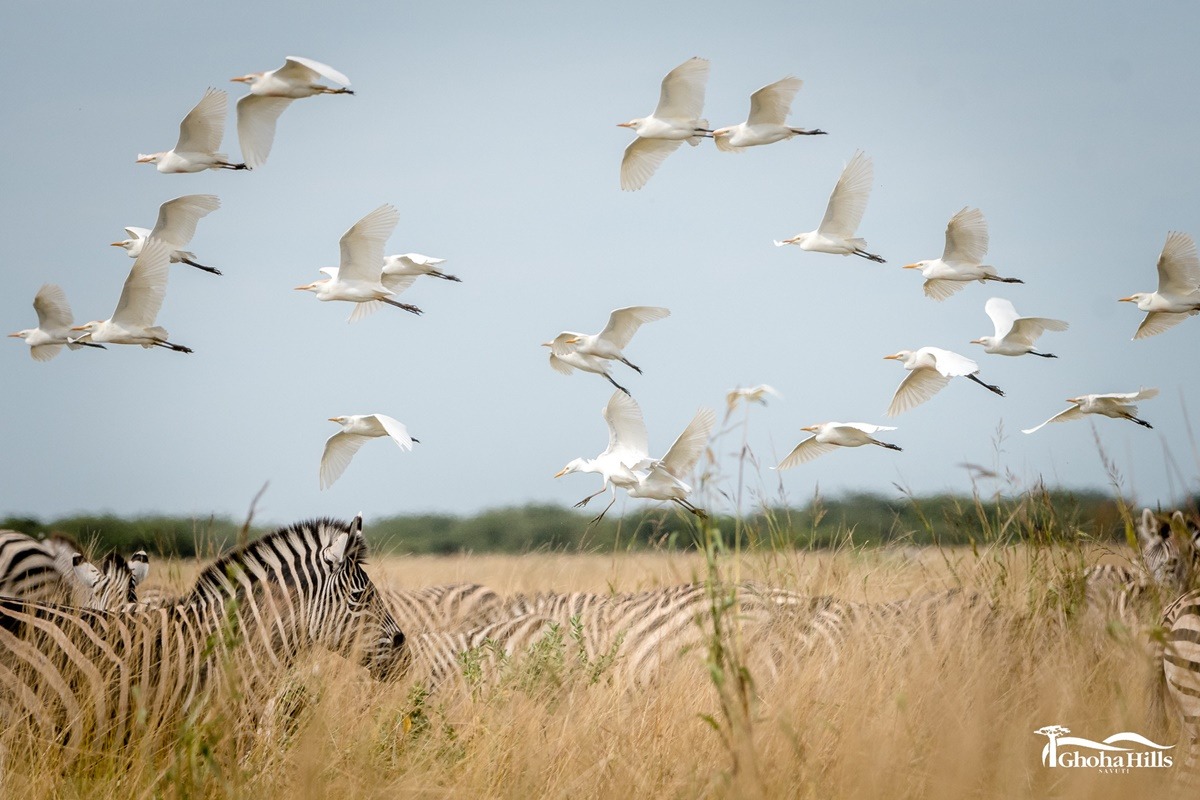
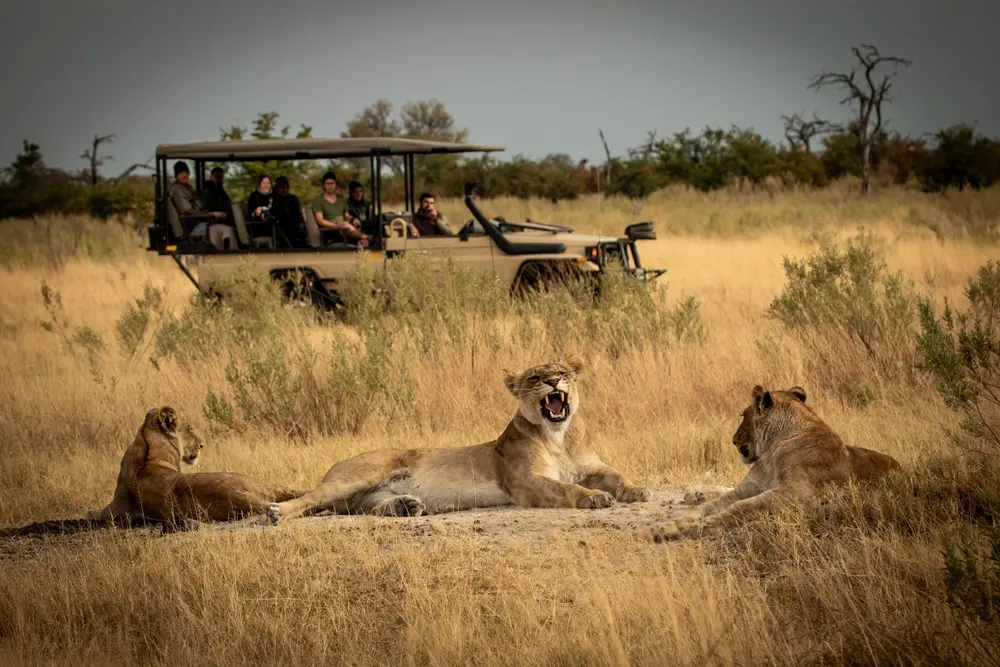
Want to witness the great migration? Visit the park in October/November, when animals move toward Nxai Pan, or in April/May as they return to Makgadikgadi. You'll have the chance to spot wildebeest, zebras, cheetahs, oryx, and ostriches! Elephants and lions are visible year-round.
Practical information
How to get there: accessible by car from the town of Maun
Areas: Makgadikgadi (8,000 km²) and Nxai (3,000 km²)
Transportation for safari: by 4x4
Going on Safari in Botswana: Organized by a Local Agency
Organizing a safari requires substantial logistics (vehicle rental, accommodation, meals on-site, guide arrangements, etc.). To simplify your trip, why not call on a local agency? Beyond easing the planning, this option allows you to visit multiple sites! Interested inexploring Chobe or adventures in theOkavango Delta? Don't hesitate to contact us!
Frequently asked questions
The dry season, from May to October, is generally considered the best time for a safari in Botswana. Animals concentrate around water sources, making observations easier. The rainy season (November to April) offers lush vegetation and allows you to observe young animals and migratory birds, particularly in Savuti Reserve.
Botswana is a luxury destination: the country has adopted a policy of 'low impact, high value tourism'. Expect between €500 and €1,500 per person per day in an all-inclusive luxury lodge. Park entrance fees cost approximately €120 per day at Chobe, compared to €10 for an adult at Moremi Game Reserve. Using a local agency helps consolidate costs and allows you to visit multiple sites.
It is technically possible to rent a 4x4 and conduct a safari independently, particularly in Chobe Park, accessible from Kasane airport. However, for more remote areas such as the Okavango Delta or Savuti Reserve, using a local agency is strongly recommended for logistics (accommodation, guides, safety) and to maximize wildlife observations.
A mokoro is a traditional canoe used by communities in the Okavango Delta. Silent and non-polluting, this mode of transport allows you to observe aquatic wildlife (crocodiles, hippopotamuses, birds) in a highly immersive way. Mokoro safaris are practiced mainly in the Okavango Delta, departing from the town of Maun, and constitute a unique experience found nowhere else in Africa.
The Big Five (lion, elephant, rhinoceros, buffalo, leopard) are present at several sites, particularly in Savuti Reserve and Chobe Park. The rhinoceros is the rarest animal to spot in Botswana. Moremi Game Reserve and the Okavango Delta also offer excellent viewing opportunities. To maximize your chances, opt for the dry season (May-October) and arrange for a local guide.