Photography trip to Botswana: the best spots
Considering a photography trip to Botswana? Excellent choice! Lush, barren, or desert landscapes, rare endemic species, water safaris and the great migration
Considering a photography trip to Botswana? Excellent choice! Lush, barren, or desert landscapes, rare endemic species, water safaris and the great migration: this corner of southern Africa promises breathtaking wildlife photographs and landscapes… Discover the 5 best spots for engaging in photography in Botswana.
1. Chobe National Park: a spot with dry and verdant landscapes
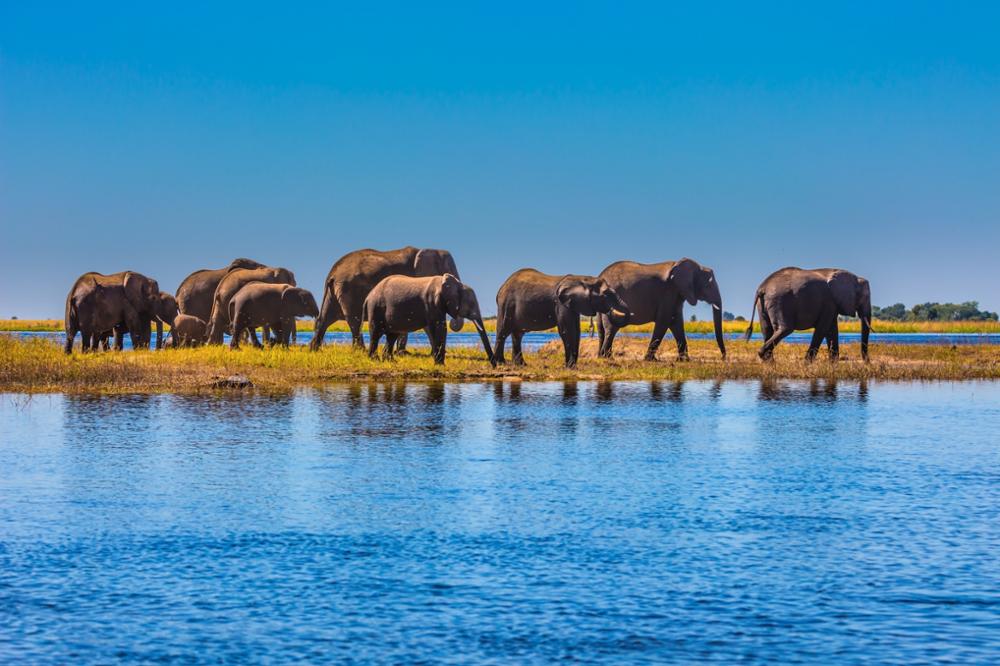
Located in northern Botswana, Chobe National Park is a magical place to capture wildlife. Divided into several sections, this 11,700 km² site offers diverse fauna and flora, perfect for stunning shots!
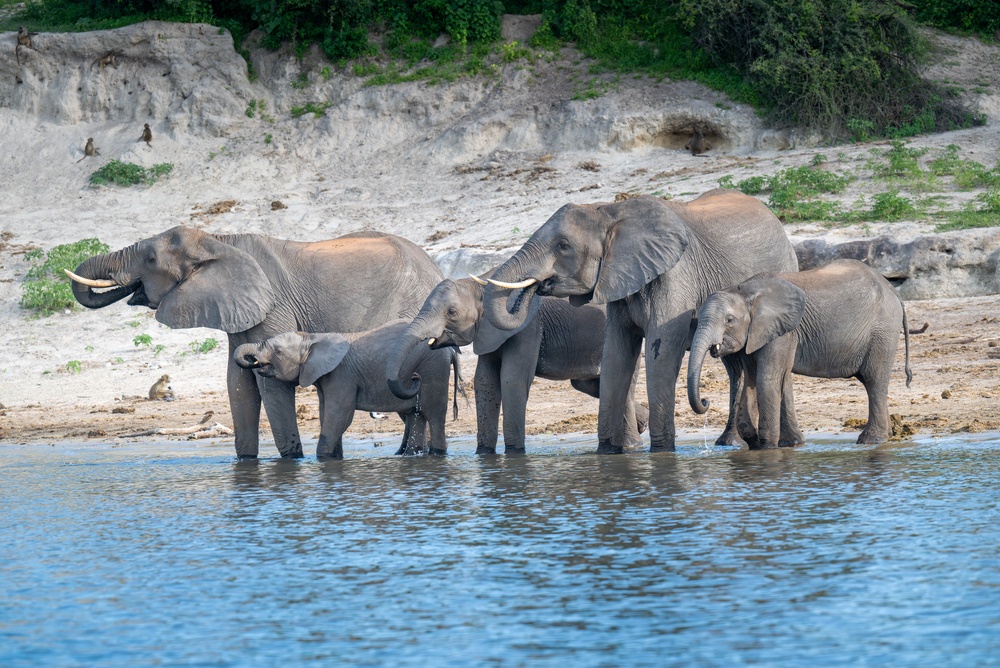
In the Serondela zone, at the far northeast of the park, you'll enjoy lush landscapes. Amidst this verdant nature, you'll have the chance to spot numerous animals during the dry season (May to October) and capture giraffes, buffalo and massive elephant herds on your lens!
Thanks to boat safaris, you'll also have the opportunity to enjoy a different perspective on wildlife and play with the reflections of the Chobe River – renowned for its crocodiles, elephants and hippopotamuses.
In the dry zone, located between the Savuti and Linyanti marshes, you'll also spot eland with their magnificent twisted horns!
2. The Okavango Delta: THE must-see spot for a photography trip to Botswana
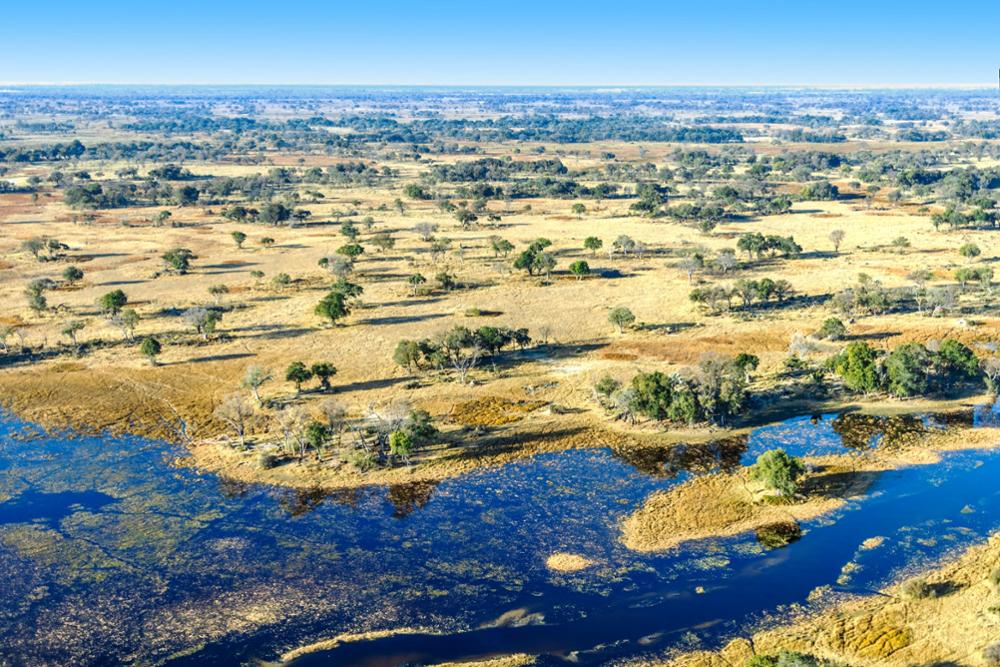
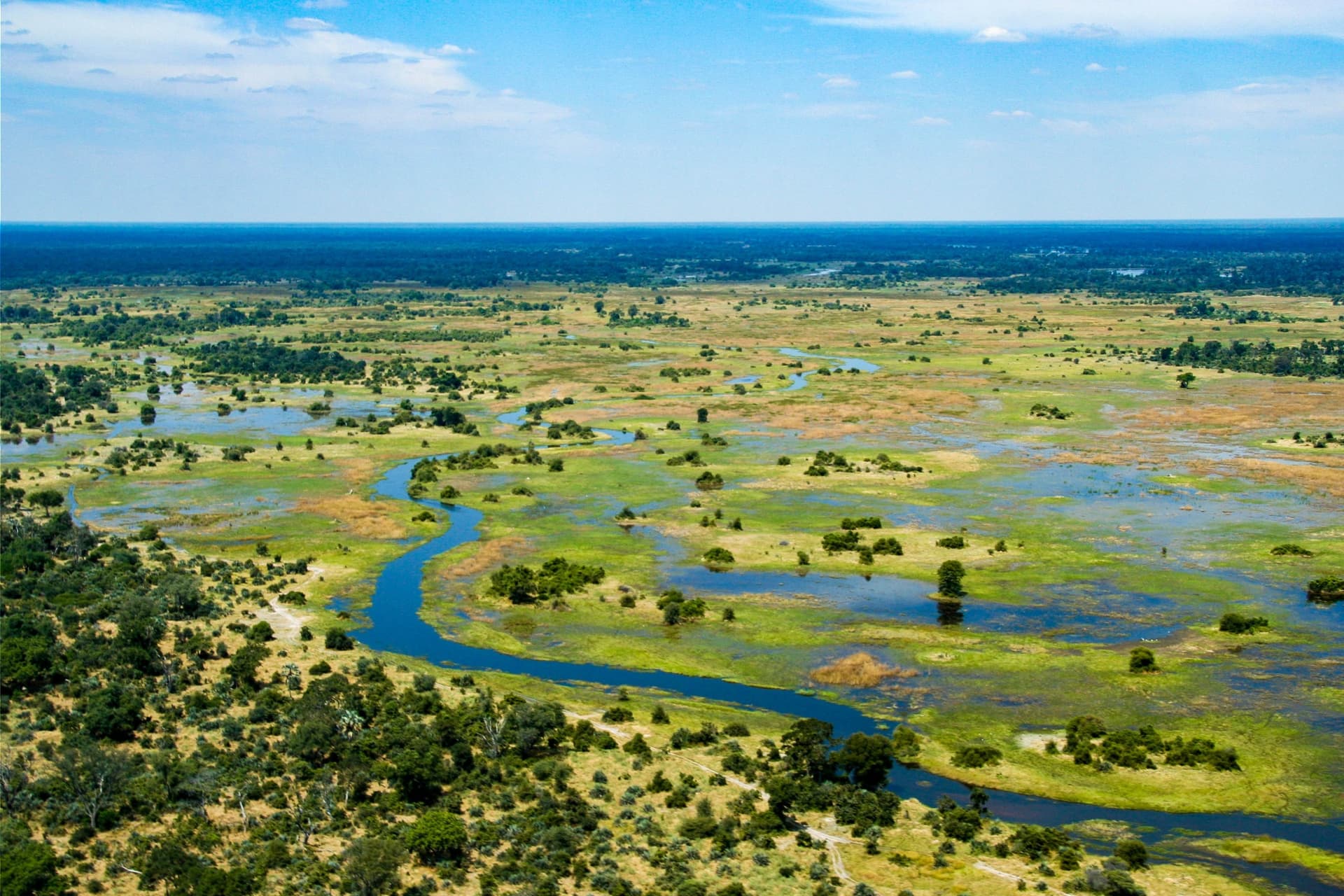
The Okavango Delta is a natural treasure listed among Ramsar sites – a label that recognizes and values actions taken to protect « wetlands of international importance ».
Favored by birds (attracted by the marshy zones), this exceptional site is a strategic observation point for birdwatching and photography enthusiasts. It's notably possible to admire pink flamingos, sacred iris or the African fish eagle.
The Okavango Delta can also be explored by mokoro (a traditional canoe), from which you can photograph nature from a different vantage point – and closest to wildlife! You'll spot, among others, large mammals such as the lion and cheetah, as well as the African wild dog and white rhinoceros – both endangered species.
3. Makgadikgadi and Nxai Pans National Park: the best spots for stunning wildlife photographs
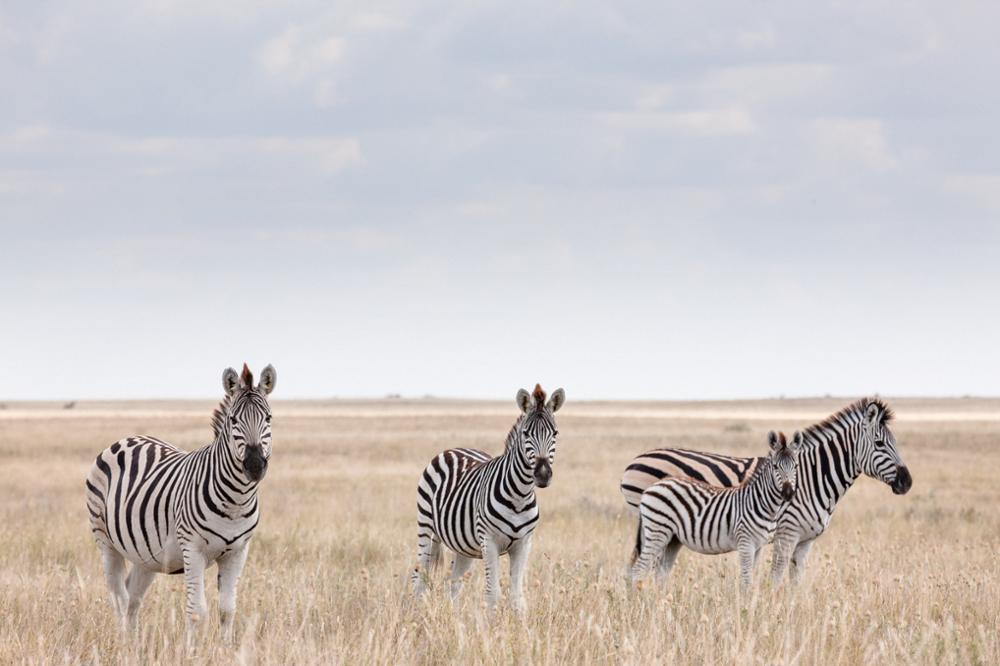
Located between the Kalahari Desert and the Okavango Delta, Makgadikgadi and Nxai Pans National Parks are the scene of the great migration each year. Separated by a road, these two wild expanses are then traversed by thousands of animals! First in October-November (as they move toward Nxai Pan), then in April-May as they return to Makgadikgadi…
These parks are therefore two essential spots for creating wildlife photographs! Among their abundant fauna? You'll have the chance to encounter ostriches and wildebeest, as well as lions and elephants year-round.
The zebra migration is also a natural spectacle, conducive to spectacular shots! Indeed, the animals then produce gigantic clouds of dust, particularly interesting for the aesthetics of your photographs.
4. Kubu Island: a salt island ideal for atypical and aesthetic landscapes
Kubu Island is a rocky island located in the salt desert of Makgadikgadi Pan – the world's largest salt marsh! Kubu Island isn't really an island, but this part of Botswana feels like one due to its barren landscapes and flat surfaces.
Thousands of years ago, a vast lake existed in this area. Today? This desert location is covered with large expanses of salt and is renowned for its gigantic baobabs. Kubu Island is also an archaeological site, strewn with pebbles and Stone Age remains.
If you're observant, you'll distinguish guano on the rocks… These are traces of organic matter (very ancient) from birds. They confirm that this desert part of Makgadikgadi Pan was once inhabited by many bird species!
5. Moremi Game Reserve: a protected area for photographing endemic species
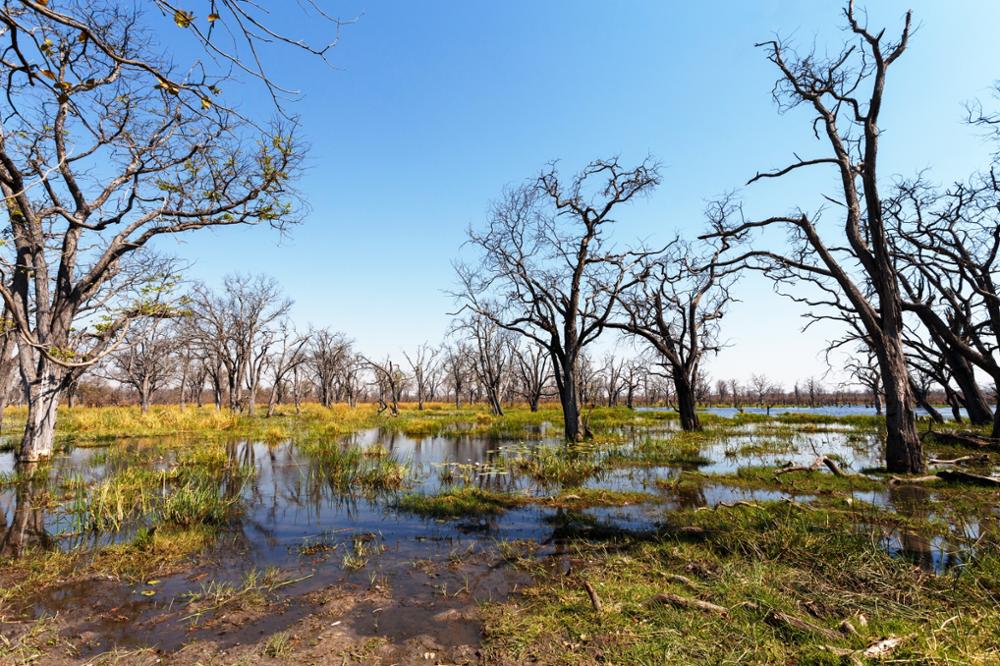
East of the Okavango Delta, you'll find Moremi Game Reserve. This protected area is a perfect spot for wildlife photography, especially in April-May. Why this period? Because animals gather in large numbers at this site, which is particularly rich in water.
You'll also have the chance to witness white and black rhinoceros mud baths. As well as spot crocodiles, numerous migratory birds or imposing mammals such as pachyderms and hippopotamuses. You'll almost certainly encounter the atypical Southern ground hornbill and lechwe antelope – two rare endemic animals.
The reserve can also be explored via mokoro safari or horseback! Ideal opportunities for creating unique souvenir photographs.
Frequently asked questions
The dry season, from May to October, is generally considered the best time for a photography trip to Botswana. Animals concentrate around water sources, facilitating observations. To photograph the great migration in Makgadikgadi and Nxai Pans parks, prioritize October-November (migration heading north) or April-May (return heading south).
The 5 best spots for photography in Botswana are: Chobe National Park (elephants, giraffes, boat safaris), the Okavango Delta (birds, big cats, mokoro), Makgadikgadi and Nxai Pans parks (great migration, zebras, wildebeest), Kubu Island (salt landscapes, giant baobabs) and Moremi Game Reserve (endemic species, rhinoceros, Southern ground hornbill).
For a photography safari in Botswana, it's recommended to bring a DSLR or mirrorless camera with a telephoto lens (300 mm minimum, ideally 500 mm or more) to photograph wildlife at distance. A tripod or monopod is useful for long lenses. Don't forget multiple spare batteries, extra memory cards and protection against dust for your equipment.
Yes, Botswana is one of Africa's best countries for observing rare species. In Moremi Game Reserve and the Okavango Delta, you can photograph the African wild dog, white and black rhinoceros, Southern ground hornbill and lechwe antelope – endemic or endangered species difficult to observe elsewhere.
A mokoro is a traditional African canoe propelled by pole by a local guide. It's a silent and ecological way to explore the channels of the Okavango Delta and Moremi Game Reserve. This type of safari allows you to approach aquatic wildlife and birds discreetly, offering unique shooting angles at water level.