Moremi Reserve
5,000 km² east of the delta, Africa's first community-managed reserve, where the Xakanaxa lagoons and Khwai plains concentrate wild dogs, lions and elephants year-round.
Moremi Reserve occupies the eastern portion of the Okavango Delta, spanning approximately 5,000 km² that encompass the expansive Chief's Island, the permanent Xakanaxa lagoons and the seasonal plains of the Khwai corridor. It is the only protected area that encompasses both permanently flooded sectors and dry land, explaining the wildlife concentration observed throughout the year. Our team in Maun has worked here for many years with guides from the riverside villages, and we consider Moremi the foundation of nearly every itinerary we build in northern Botswana.
The reserve was established in 1963 at the initiative of the Batawana people, under the leadership of regent Elizabeth Pulane Moremi, following recognition of rapid wildlife decline in the region. It was Africa's first protected area managed by a local community—a distinction that continues to shape how the villages of Khwai, Mababe and Sankoyo approach conservation today. Khwai, in particular, operates under a community trust model that manages its own concessions along the river of the same name, at the reserve's northern boundary.
The landscapes shift dramatically depending on where you camp. Around Xakanaxa, you navigate a mosaic of deep lagoons, papyrus stands and riverine forests of jackalberry and sycamore figs—this is where we offer mokoro and motorboat excursions alongside game drives. Further north, the Mboma triangle and Khwai River present grassy plains punctuated by termite mounds and mopane thickets, ideal terrain for cheetahs and wild dogs. The southern section, around South Gate and Black Pools, is more densely wooded and less travelled, with a healthy leopard population.
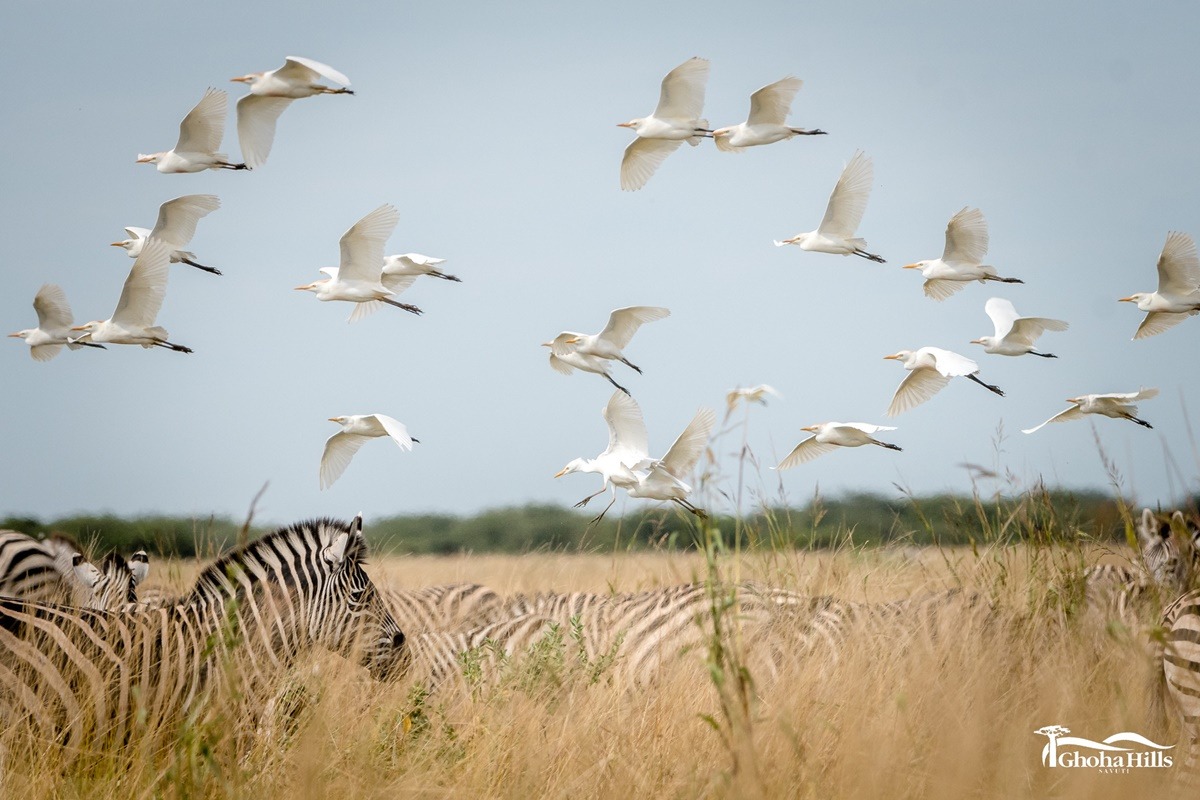
The fauna here justifies the reserve's reputation. Packs of wild dogs, which have become scarce elsewhere on the continent, number among southern Africa's best-monitored populations here. The lions of Khwai are vehicle-habituated and regularly hunt buffalo along the river. Elephants migrate by the hundreds between Moremi and Chobe with the seasons, and buffalo herds sometimes exceed 500 head during the dry season. Birdwatchers record more than 500 species, with the shoebill remaining the most sought prize in the Gadikwe Heronry channels.
Access from Maun follows a sandy track 95 km to South Gate, taking four to five hours by 4x4 depending on sand conditions, longer during the rainy season. To save time and preserve guest comfort, we often arrange a 45-minute charter flight from Maun airport to airstrips at Xakanaxa, Khwai or Mombo. The climate is pronounced: June and July nights regularly drop to 5°C in camps, sometimes lower on the plains, while October afternoons exceed 38°C. We provide hot water bottles, thermal ponchos and thermos flasks as standard for early morning game drives departing at 6am during the southern winter.
Highlights
Xakanaxa lagoons by mokoro. Silent gliding between papyrus stands with a poler from Boro or Ditshiping, at eye level with painted frogs and jacanas. Elephants come to drink ten metres from the boat at day's end.
Wild dog packs of Khwai. The Khwai corridor shelters one of Africa's last stable wild dog populations. Our guides track packs via radio collar in partnership with Botswana Predator Conservation, with good sighting chances in June and July, pupping season.
Mboma triangle day loop. A 30 km track winding through the delta's dead arms, little travelled by other operators. Our ground for spotting cheetahs and sable antelope, with a picnic beneath an isolated marula mid-morning.
Gadikwe Heronry. A nesting colony accessible by boat from Xakanaxa between August and October, with marabous, yellow-billed storks and open-billed storks by the hundreds perched on flooded fig trees.
Khwai community village. A BaBukakhwe settlement of roughly 400 people at the reserve's northern boundary. Visits possible with a local guide explaining the community trust's operations and daily elephant cohabitation as they cross village gardens.
When to go
The dry season, May through October, remains our benchmark period. The delta's waters reach peak levels between June and August, paradoxically following the rainy season, as floodwaters descend from the Angolan highlands and take four months to arrive. Wildlife concentrates around permanent water points, vegetation stays low and tracks remain passable. Morning temperatures drop to 5°C in June-July, rise to 15°C by August, then climb sharply in September-October with afternoons between 35 and 40°C—the most productive season for predators but demanding midday.
From November to March, rains transform the landscape. Thunderstorms fall mostly late afternoon, accumulating 400 to 500 mm over the season. Southern reserve tracks become muddy and some mobile camps close in January-February. This is, however, the birthing season for impalas and wildebeest, vegetation explodes in green, and migratory birds arrive in masses. April and November offer interesting shoulder seasons for those wanting to avoid July-August peak rates without sacrificing climate comfort.
Practical advice
We recommend a minimum of three nights on Moremi to justify access costs and explore varied sectors, ideally split between a wetland camp (Xakanaxa or Mombo) and a dry-land camp (Khwai or Mababe). Five nights allow you to add the Mboma triangle and an extended boat outing. Entry is via Maun airport, connected daily to Johannesburg and Gaborone, where charter flights depart for internal airstrips in 30 to 50 minutes.
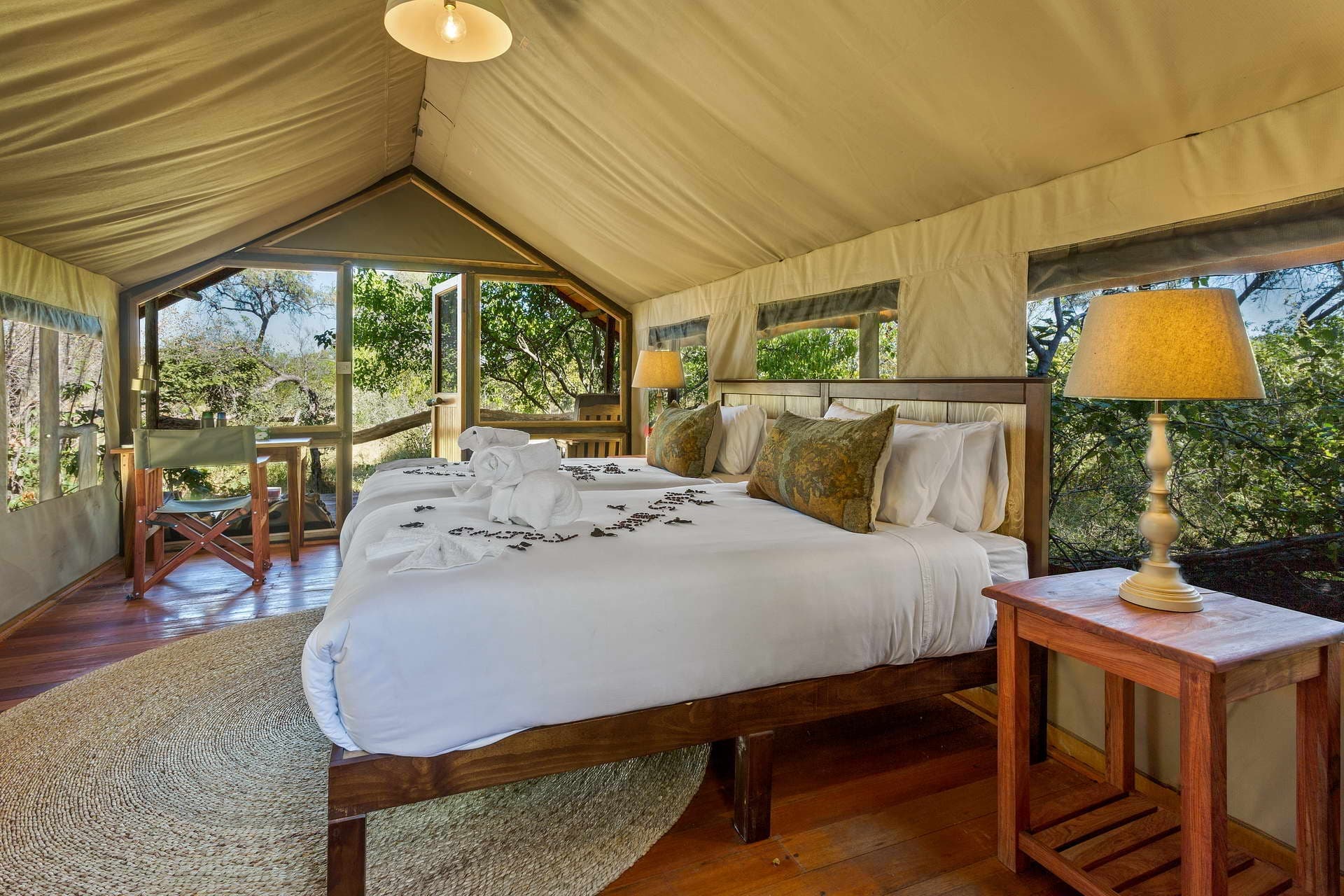
Moremi combines naturally with the Okavango Delta, of which it forms the eastern extension, then with the Linyanti and Savuti for travellers with ten days or more, and finally with Chobe for reaching Victoria Falls. Accommodation ranges from mobile camps under Meru tents with bucket showers to permanent lodges with private pools, but none offer budget options—expect significant expenditure. The destination suits contemplatives, photographers and families with children from eight years in most camps, twelve years in certain more exposed lodges. Hikers will find limited opportunities; walking remains restricted to short ranger-accompanied excursions.