Savuti Reserve
Savuti Reserve
At the heart of Chobe National Park, Savuti brings together elephants, lions, and unpredictable marshes. Everything you need to plan your safari in northern Botswana.
Graceful-necked giraffes, dwarf mongooses, lionesses dozing on the grass, herds of elephants thundering across the earth with their powerful hooves… Savuti nature reserve in northern Botswana hosts some of Africa's most captivating wildlife scenes.
Encounter Savuti's incredible wildlife
Visitors arrive at Savuti's marshy zones after a long drive through mopane woodland. On your next venture to northern Botswana, don't overlook this magnificent reserve. It shares borders with Moremi and Chobe, just south of the Linyanti River. Travellers often combine all three destinations as part of a tailor-made safari full of surprises.
Upscale lodges allow you to immerse yourself in the savanna while enjoying all the comforts of home. Between 4x4 safaris, hot-air balloon rides and birdwatching expeditions, Savuti nature reserve is sure to captivate.
Geological history of Savuti
Savuti means "mystery" or "unclear" in the local indigenous language. The site presents itself as a network of marshes and peatlands. For reasons still unknown, the channels dried up completely in 1885, only to flow again in 1967. The word savut thus captures the variable and temporary nature of water resources in the region.
Reeds and water lilies grow along the marshes. Grassy plains dot the landscape. The density and height of grass fluctuate with the seasons. These grasslands and reed beds are complemented by a forest of petrified trees. These landscape formations are key to what makes Savuti such a compelling destination.
Where is Savuti Reserve located?
Nearly 5,000 km² of pristine wilderness await discovery in the Savuti region, an integral part of Chobe National Park. No fences separate Savuti from Chobe—wildlife roams freely between the two. The reserve is easy to locate; it occupies the western section of the park.
Access is possible by road or air. Savuti welcomes international visitors warmly. Charter flights from Maun, Kasane, or the Okavango Delta serve the region. The road journey takes four hours from Maun; allow an extra hour or two if departing from Serondela. You can choose between a four-wheel-drive vehicle or a mobile home for your adventure.
Wildlife inventory
Like other wildlife sanctuaries in Botswana, Savuti Reserve boasts a high concentration of elephants. These magnificent pachyderms are often spotted near waterholes at dawn or dusk. Their substantial water requirements keep them close to ponds and water sources. Indeed, Savuti receives significantly less rainfall than the neighbouring Moremi Reserve.
Among the reserve's other familiar inhabitants are lions, spotted hyenas, and cheetahs. Watch for elephant mud baths, seasonal migrations of zebras and wildebeest, graceful giraffes, antelope bounding across the plains, and the hunting prowess of predators. The birdlife is equally impressive, with over 450 different species recorded.
What to see and do
Savuti's wild paradise unfolds with true wonder:
Game drive
Large herds of buffalo and wildebeest can be observed grazing in the arid plains. Safaris can be self-guided or with a professional guide. However, travellers who hire a local guide have a much better chance of witnessing extraordinary moments: a pride of lions circling an elephant or a leopard resting in the shade of wild date palms.
Marsh exploration
The critical aridity of Savuti's plains has forced many animals to adapt their feeding habits. You'll often spot leopards hunting catfish in the peatlands. Watch in amazement as Lechwe antelope navigate the marshes with surprising agility—they actually move faster through water than on dry ground. African elephants alone are spared this need to adapt, thanks to three artificial lakes created by wildlife managers where they drink freely during the dry season.
Birdwatching
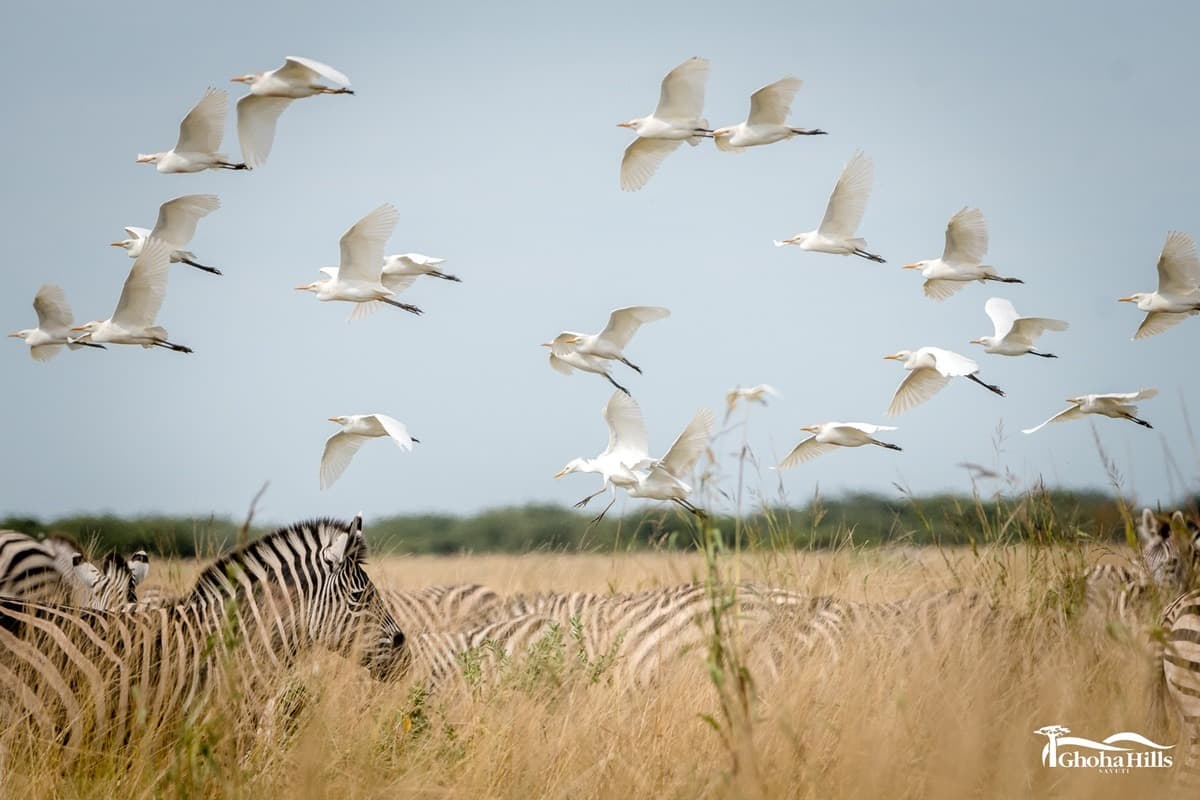
Bird enthusiasts will find paradise near Savuti's marshes: storks, herons, and egrets display their brilliant plumage. Look skyward and you'll be delighted to spot African fish eagles and white-backed vultures soaring overhead.
Rock art exploration
Climbing the Gobadis Hills is equally rewarding. For safety, hire a guide—leopards prowl around these cliffs. After a 150-metre ascent, you'll discover figures painted in red ochre covering the rocks. Some depict humans, but most show buffalo and other extinct bovid species. This rock art is believed to have been created by the San people, dating back over three thousand years.
Paintings continue to captivate on the rocky slopes of Gubasta. Exercise caution, however—Nile crocodiles have made their home here. Best to admire them from a distance, safely behind your jeep's windows.
How long to spend at Savuti
We recommend staying at least two or three nights at Savuti to explore its wetlands and rich biodiversity. The reserve has a public campground and around a dozen private lodges and campsites. Some offer hot-air balloon rides on request. Viewed from the sky, Savuti's tapestry of wildlife is truly breathtaking!
When to visit
The pleasure of driving in dry conditions makes May through October ideal. This is peak season for photography, as animals congregate near rivers and marshes.
Visiting Savuti in shoulder seasons is equally magical, provided you don't mind spectacular thunderstorms. Males engage in remarkable courtship displays during mating season. In peak summer, the region teems with lion cubs, giraffe calves, and baby elephants.
Traveller guidelines
To ensure your safari is a success, respect these essential regulations:
- No off-road driving or travel outside official hours;
- Do not feed wild animals;
- Do not exit your vehicle, lower windows, or open doors except in designated viewing areas;
- Speed limit: 40 km per hour.
Want to discover this destination?
Our local advisors design your tailor-made trip.