Chobe National Park
Chobe National Park
Botswana's premier national park, Chobe is home to Africa's highest concentration of elephants and exceptional wildlife along its namesake river.
With one of Africa's highest concentrations of elephants and a mosaic of landscapes ranging from flooded plains to marshlands, Chobe National Park represents Botswana's historic safari destination. Located in the north-east of the country, in immediate proximity to Kasane and Victoria Falls, it combines logistical accessibility with exceptional wildlife across nearly 11,000 km².
Why visit Chobe National Park
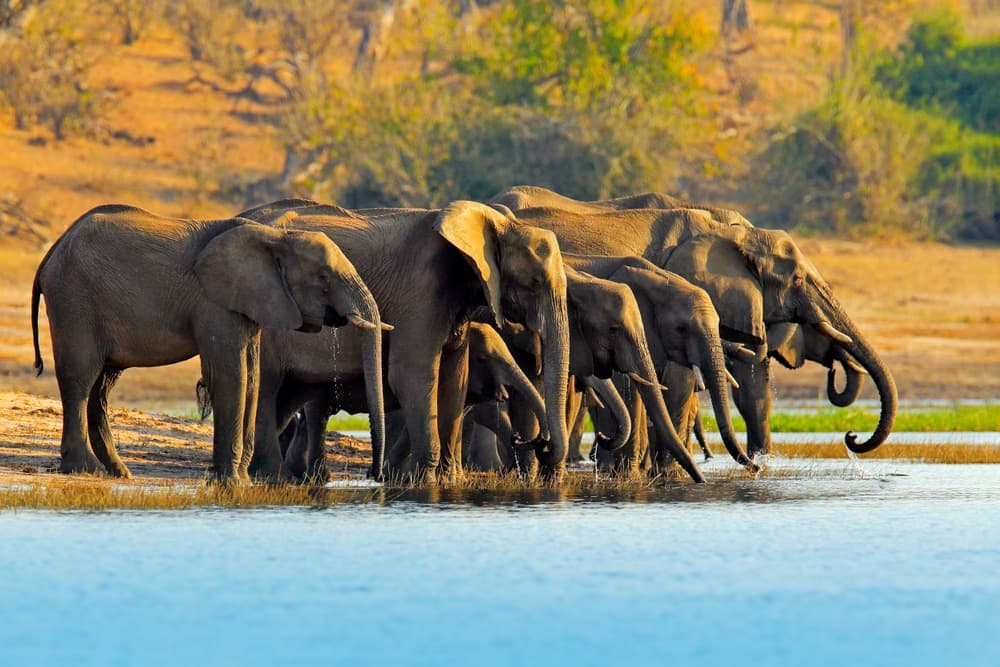
- An elephant population estimated at around 50,000 individuals, considered the densest on the continent, particularly concentrated along the Chobe River during the dry season.
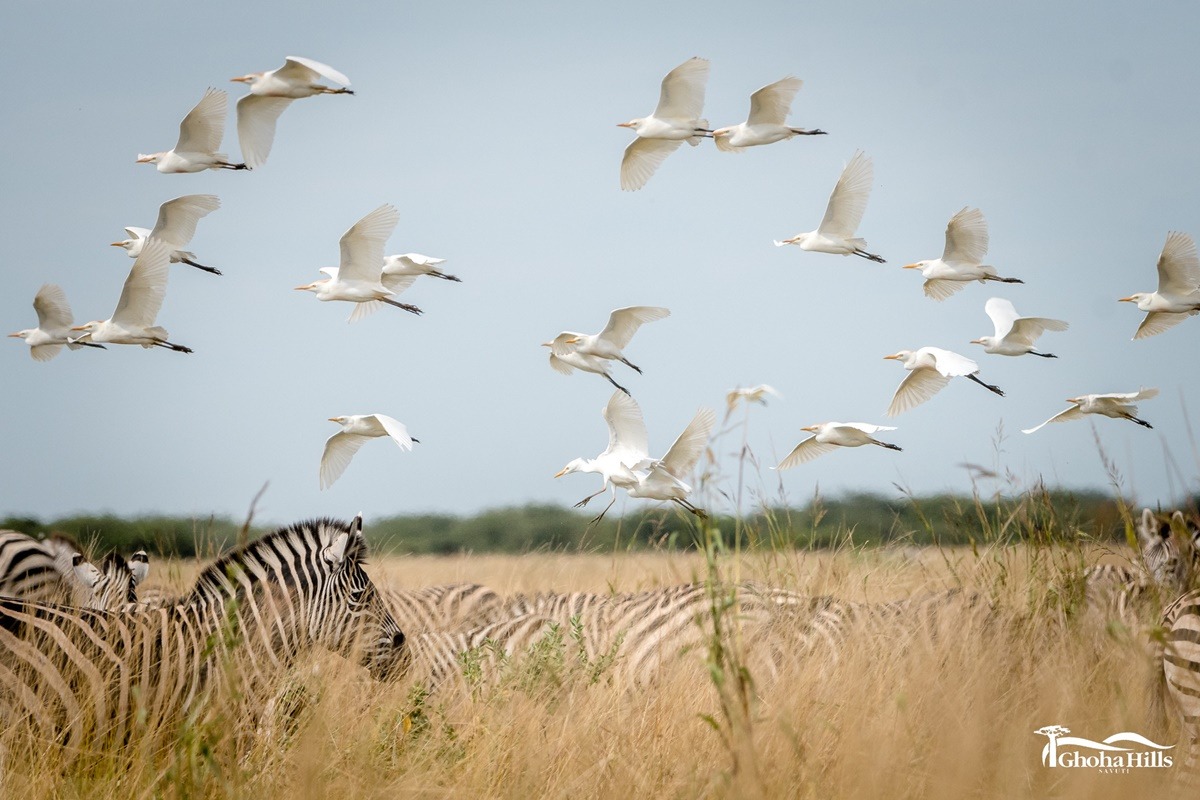
- Close to 25,000 zebras inhabit the plains, with a remarkable annual migration to the Savuti marshes during the rainy season.
- The Big Five is observable here, with the exception of the rhinoceros, alongside wildebeest, African buffalo, hippopotamuses, giraffes, elands and warthogs.
- Nearly 450 bird species recorded, including numerous migrants between December and March.
- Preserved archaeological heritage: San rock paintings on the Gobabis boulders.
History of the park
Opened in the 1940s, Chobe is Botswana's first national park. Its creation responded to an ecological emergency: trophy hunting, long a common practice in the region, had seriously depleted elephant populations. The government therefore designated the area as a protected zone to allow the ecosystem to recover. The gamble paid off, as the park today hosts wildlife with a density that remains exceptional across southern Africa.
Human occupation of the territory is far older. On the Gobabis boulders, in the Savuti area, rock paintings attributed to the San people are dated to approximately 4,000 years ago. They depict notably animals and bear witness to a hunter-gatherer presence predating modern conservation by several millennia.
What to see and do in the park
The park divides into four distinct regions, each with its own ecosystem:
- Serondela to the north, running alongside the Chobe River: flooded plains and wooded areas, the most visited sector.
- Savuti in the centre-west: marshes fed by a capricious watercourse, renowned for its predators.
- Linyanti in the north-west: marsh area bordering Namibia, more secluded.
- Nogatsaa in the south-east: grasslands and artificial water points that concentrate wildlife in the dry season.
Wildlife viewing
The Chobe River, which marks the northern boundary of the park, remains the backbone of most safaris. Boat cruises allow you to approach elephants, hippopotamuses, buffalo and crocodiles from the water, offering a different perspective from the 4x4. Towards the west, the Savuti marsh welcomes the annual zebra migration during the rainy season; in the dry season, it transforms into herbaceous grassland frequented by wildebeest, impalas, warthogs and their predators (lions, hyenas, leopards).
Bird watching
With approximately 450 species recorded, Chobe ranks among Botswana's major birdwatching sites. Wetland areas concentrate ibises, spoonbills, storks, egrets and kingfishers, while raptors and vultures patrol above the savanna. The richest period runs from December to March, when Palaearctic migrants join resident species.
Savuti rock paintings
On the rocky flanks of Gobabis, several painted panels attributed to the San are accessible via short walks. The motifs essentially depict animals. The site demands caution: the area regularly harbours leopards, and visits are ideally undertaken with a local guide.
When to go
The dry season, from July to October, concentrates wildlife around permanent water points and notably the Chobe River: this is the most effective period for wildlife viewing, but also the busiest. Daytime temperatures remain pleasant and cool at sunrise.
From December to March, the rainy season makes certain tracks difficult, sometimes impassable, but offers green landscapes, the birth of young ungulates and the arrival of migratory birds. The zebra migration to Savuti occurs during this period. April, May, June and November constitute interesting shoulder seasons, with lighter crowds.
Practical information
Park entry is fee-based, with a differentiated rate for non-residents (expect a moderate entry ticket per person per day, payable in local currency or USD depending on the gate). Accompanied children receive a discount. Opening hours generally follow the rhythm of daylight: opening shortly before sunrise, closing shortly after sunset, with slightly different hours between dry and rainy seasons.
Circulation within the park strictly requires a 4x4 vehicle, particularly to reach Savuti and Linyanti from Kasane. Most travellers go through a local operator who handles transport, guiding and game drives.
How to get there
The park lies 6 km east of Kasane airport and approximately 80 km from Victoria Falls. Main options:
- Domestic flight to Kasane from Maun or Gaborone, then short road transfer (most convenient option).
- From Zimbabwe: flight or road from Victoria Falls airport, followed by the Kazungula border crossing.
- From Zambia: Harry Mwanga Nkumbula airport in Livingstone, then road and border at Kazungula.
- Self-drive 4x4 from Maun via Moremi and Savuti, for experienced off-road drivers.
Around the area
- Victoria Falls (80 km to the north-east): one of the world's largest cataracts, accessible from the Zimbabwean or Zambian side from Kasane.
- Makgadikgadi salt pans and Nxai Pan: white expanses and fossil lake to the south-west, best combined on a longer circuit.
- Moremi Reserve and Okavango Delta: natural extension of the Botswana safari, accessible from Maun.
- Kasane: gateway to the park, with lodges, agencies and logistical services.
Frequently asked questions
For large mammal viewing, the dry season from July to October is ideal: wildlife concentrates along the Chobe River. For migratory birds and the zebra migration to Savuti, choose December to March instead.
Two to three days allow you to combine game drives along the Chobe River and boat cruises. To include Savuti and Linyanti, plan rather for 5 to 7 days, accounting for distances and track conditions.
Four of the five are regularly observed: elephant, lion, leopard and buffalo. The rhinoceros is however absent from the park.
Yes, all park tracks require an all-terrain vehicle, especially during the rainy season. Most visitors go through an operator who provides vehicle and guide.
Yes, it's actually a classic combination: Victoria Falls lie approximately 80 km from Kasane, accessible as a day excursion or as a 2 to 3-day extension.
Prepare your Botswana safari
Chobe National Park fits naturally into a northern Botswana circuit combining Kasane, the Okavango Delta and the Makgadikgadi pans. To build a custom itinerary suited to your travel season, consult our suggestions for trips to Botswana.
Interested in this visit?
We can include it in your personalised itinerary.